Agriculture · RaaS

Robots for Agriculture That Spray, Scout, and Protect Every Acre

Use autonomous ag-drone fleets on a Robotics-as-a-Service basis. OpenDroids delivers the hardware, certification, and flight precision, with no extra people to add to the mix.

150+

Acres covered per day, per unit

Zero

Soil compaction aerial application only

30 days

Deployment, hardware to handoff

$27/acre

Documented ROI on drone-applied fungicide

No commitment. We'll map the ROI for your acreage.

OpenDroids spray drone in flight low over a row-crop field, terrain-following altitude visible with crop rows extending toward the horizon

Fleet Active

150+

acres/day per unit, zero soil contact

Precision Without the Pilot's License

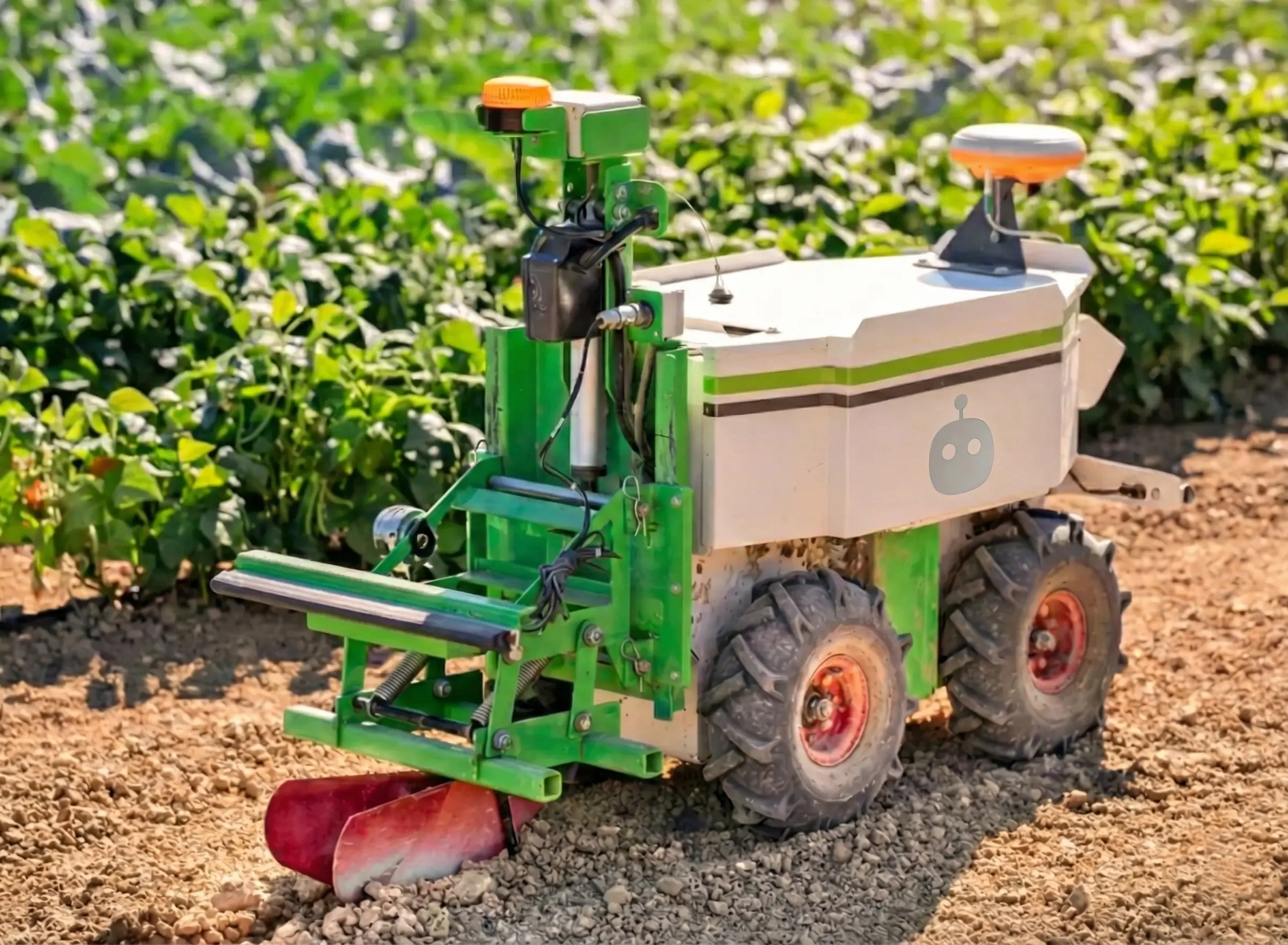
Terrain-following radar and GPS guidance apply chemical exactly where it's needed you draw the field boundary, the fleet handles the flight plan.

Zero Soil Compaction

Aerial application never touches the ground, protecting the soil structure that ground rigs and heavy equipment compress and degrade season over season.

Lower Cost Per Acre

Drone application typically runs $12-$25/acre versus $12.50+ for crop duster fungicide passes and far more for ground rig labor and fuel on wet or irregular fields.

See Problems Before They Spread

Multispectral crop intelligence flags nutrient stress, water stress, and pest pressure days or weeks before it's visible to the naked eye.

Where Ag-Drone Fleets Deploy

Row crops, orchards, vineyards, and remote terrain — precision spraying and crop intelligence without ground contact.

Row Crop Spraying

Row Crop Spraying at Scale
OpenDroids drone flying a low pass over a corn field mid-application with visible spray mist

Wet fields and tight application windows are the two things that wreck a row crop spray schedule ground rigs compact soil and can't get in when the field is soft, and crop dusters have high per visit minimums that punish smaller or irregular fields. Fungicide applied by drone at the corn VT stage has shown a $27.26/acre ROI over standard application, because drones can fly at canopy height and target the upper canopy with the carrier volume ground rigs can't reach without damaging the crop. OpenDroids fleets fly scheduled or on-demand spray routes and never wait on soil conditions to dry out.

  • $12–$18/acre typical application cost for row crops, application only
  • $27.26/acre documented ROI on drone applied fungicide versus standard timing
  • Zero compaction related yield loss, since the fleet never touches the ground
Orchard & Vineyard

Orchard, Vineyard & Difficult-Terrain Application

OpenDroids drone navigating between orchard rows on a terraced hillside

Steep, terraced, or densely planted orchard and vineyard blocks are some of the hardest acreage to spray safely ground equipment struggles with the terrain, and manned aircraft can't get close enough for targeted coverage. Specialty crop application runs $18–$40/acre through traditional custom hire channels, largely because of the added labor and equipment risk in that terrain. OpenDroids fleets use terrain following radar to hold consistent altitude over uneven ground, applying at canopy level regardless of slope.

  • Consistent canopy-level coverage on terrain unsafe for ground equipment or low altitude manned aircraft
  • Coverage on wet, sloped, or irregular blocks that would otherwise be skipped or delayed

Crop Intelligence

Crop Health Intelligence & Early Detection

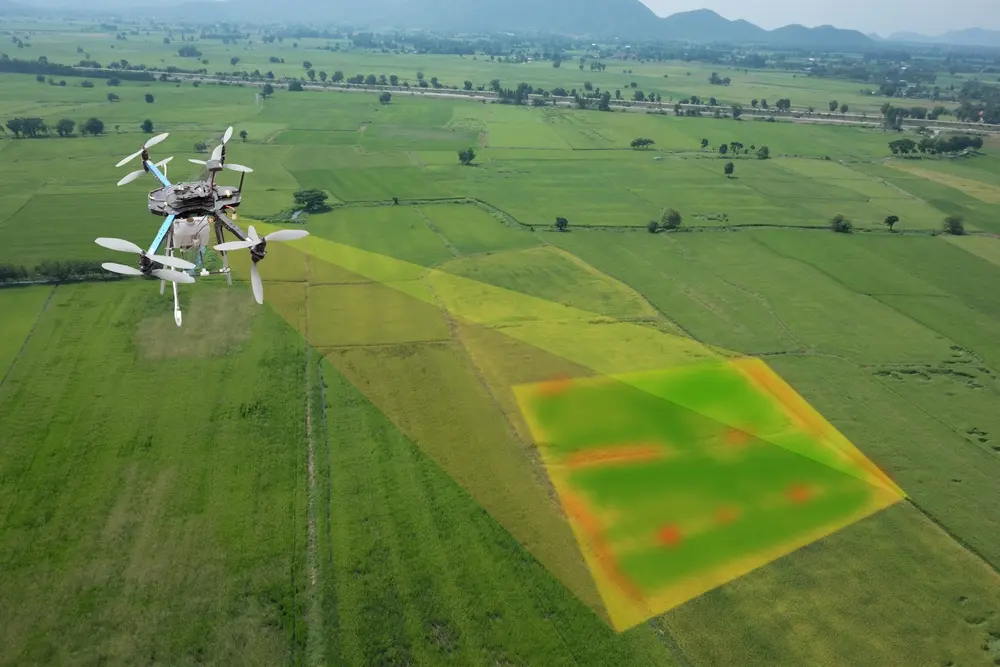
OpenDroids drone with sensor payload flying a mapping pattern over a field

Crop diseases and pest pressure cause 20–40% of annual yield loss worldwide, largely because manual scouting is slow, subjective, and catches problems only after visible symptoms appear. Multispectral field scans have driven nitrogen input cuts of 10–17% in corn and up to 50% in cotton while holding yield steady, by flagging exactly where a crop is stressed before it shows. OpenDroids fleets run scheduled multispectral scans and turn the data into prescription maps your team or a variable rate sprayer can act on immediately.

  • 20–40% of global crop yield loss is attributable to pests and disease detected too late
  • Up to 50% nitrogen input reduction with no yield penalty when prescriptions are built from multispectral data

ROI

The Financial Case for Drone Application

Custom hire drone spraying nationally runs $12–$25/acre depending on crop and region, and fungicide applied by drone at the right growth stage has shown a documented $27.26/acre ROI over standard timing numbers that compound fast across real acreage.

$12–$25

Per-acre custom hire drone spraying cost for row crops, with specialty crops running $18–$40/acre

$27.26

Per-acre documented ROI from precisely timed drone fungicide application in corn

Up to 50%

Reduction in nitrogen input with no yield loss when guided by multispectral prescription maps

Zero

Soil compaction cost aerial application never compresses the field

1–3 years

Typical payback period for spray drone operations, with large contractors reaching ROI in a single season

MetricBefore OpenDroidsAfter OpenDroidsDifference
Application cost per acre$12–$40/acre custom-hire, varies by crop/terrainRaaS subscription (contact sales)Lower total cost
Soil compactionGround-rig passes compact soil over timeZero. aerial application onlyEliminated
Daily acreage coverageLimited by crew size and ground conditions150+ acres/day per unitScalable with fleet size
Yield loss from late detection20–40% of global crop loss from late detected pests/diseaseEarly multispectral flaggingSignificant reduction

Revenue Metrics

Operational potential for a single operator with one heavy-lift unit.

Spray drone operations commonly reach positive ROI within a single season to 1–3 years depending on acreage and current custom-hire spend. Calculate your ROI →

Dollar figures and ROI estimates are sourced from published industry data (Iowa State University, Beck's Practical Farm Research, AgDroneDirectory, Louisiana SARE, University of Minnesota) not OpenDroids deployment averages. Actual results vary by acreage, crop, terrain, and operational configuration. Estimates are not guarantees.

Trust & Deployment

Built for the Field, Not the Lab

No engineering degree required. OpenDroids handles FAA certification (Part 137 + Part 107 + Section 107.36 hazmat exemption), hardware, and ongoing support your team just manages the mission.

  • ✓30-day deployment including field boundary mapping, flight plan setup, and operator orientation
  • ✓FAA Part 137 + Part 107 + Section 107.36 hazmat certification handled as part of deployment
  • ✓No engineering degree required if you can use a smartphone, you can manage the fleet
  • ✓RaaS monthly subscription with hardware, software, and 24/7 support included
OpenDroids drone showing radar unit and spray nozzles in a field setting

Also explore robotics in these industries

Agriculture automation sits alongside warehouse material flow and manufacturing. See how OpenDroids deploys across adjacent operations.

For Operators & Entrepreneurs

Start an Agriculture Robotics Business

Own a territory in ag-drone robotics-as-a-service. OpenDroids partners earn recurring revenue deploying autonomous spray fleets. no hardware purchase, full support included.

View the business playbook →

FAQ

Questions Farm Operators Ask

How much does drone spraying cost per acre?

Nationally, custom-hire drone application runs $12–$25/acre for row crops and $18–$40/acre for orchards, vineyards, and other specialty crops, application only with chemical priced separately. OpenDroids runs on a Robotics-as-a-Service subscription rather than per-job custom hire talk to sales for a rate specific to your acreage and crop mix.

Do I need a pilot's license to run an agricultural drone fleet?

Commercial spray operations require an FAA Agricultural Aircraft Operator Certificate under Part 137, a Part 107 Remote Pilot Certificate, and a hazardous materials exemption for carrying chemical payloads. OpenDroids handles certification, compliance, and operator training as part of deployment, so your team doesn't need to navigate FAA paperwork to get started.

How is drone spraying more precise than a ground rig or crop duster?

Drones fly at canopy height with terrain-following radar, applying chemical based on GPS mapped field boundaries and, where used, multispectral prescription data targeting the exact zones that need treatment instead of broadcasting across the whole field. That precision has been shown to cut chemical usage significantly versus blanket ground or aerial application.

Can drones replace ground rigs and manned aircraft entirely?

Not necessarily. Drones win on wet fields, small or irregular acreage, steep or terraced terrain, and precision spot treatment, large flat fields at scale can still favor ground rigs or manned aircraft on pure per-acre cost. Most operations use drones where ground equipment causes compaction risk or can't safely operate, and keep other methods for their best-fit acreage.

How long does it take to deploy an OpenDroids ag-fleet?

OpenDroids fleets are typically live within 30 days of signing covering field boundary mapping, flight plan setup, certification, and operator orientation. You don't need aviation experience, if you can use a smartphone, you can manage the fleet.

FCC Compliance · July 2026

Agriculture Robots: FCC-Compliant and US-Assembled

Following the FCC's July 2026 ruling (DA-26-786), all new foreign-produced advanced robotic devices are prohibited from receiving US market authorization. OpenDroids agriculture robots for agriculture robots for precision spraying, autonomous weeding, and crop intelligence are final-assembled in the United States, qualifying as domestic end products under 48 CFR §25.101(a) exempt from this restriction and available for immediate deployment with no compliance risk.

If you are currently evaluating or using foreign-produced agriculture robots or non-US autonomous farming and spraying robots in your agriculture operation, contact us to discuss a compliant transition to OpenDroids typically live within 30 days.

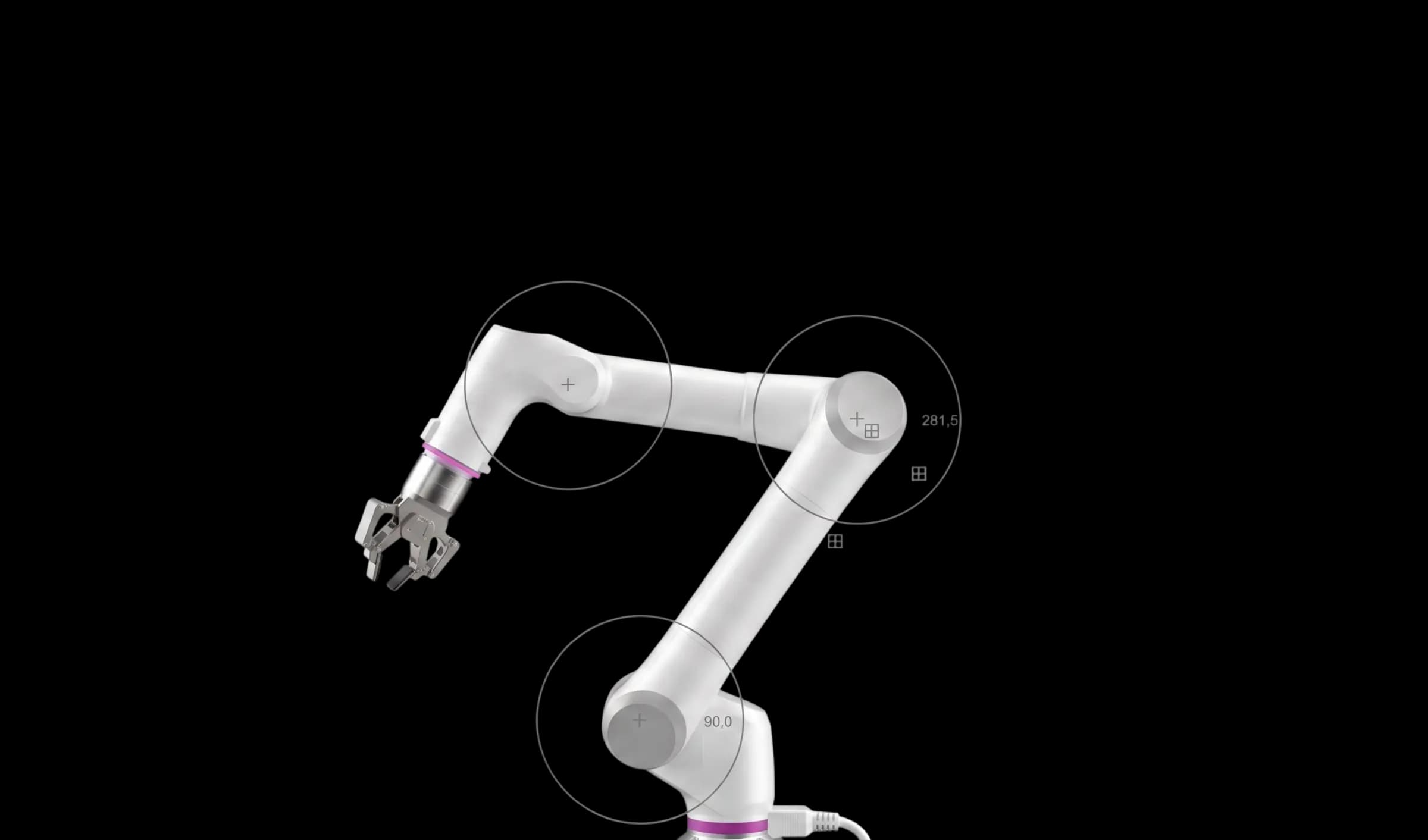
OpenDroids robotic arm — US manufacturing and assembly roadmap

Book a Demo

Book Before This Season's Spray Window Closes

Cover more acreage at a lower cost per acre with zero soil compaction, on a fleet that flags crop stress before you'd ever see it walking the field.

No commitment. We'll show you the exact ROI for your acreage.

No commitment. We'll show you the exact ROI for your acreage.