Manufacturing Automation · RaaS

Robots for Manufacturing That Work a 168 Hour Week

Your machines don't need sleep. Why does your output still depend on who shows up for the 6am shift? OpenDroids deploys mobile manipulators that tend machines, inspect parts, and move between stations around the clock turning idle capital equipment into a compounding asset.

1.9M

Unfilled manufacturing jobs projected by 2033 (NAM/Deloitte)

94%

Dynamic utilization vs. 45% for a fixed robot cell

30 days

Deployment with no capital construction required

383%

Modeled ROI · 10-robot facility

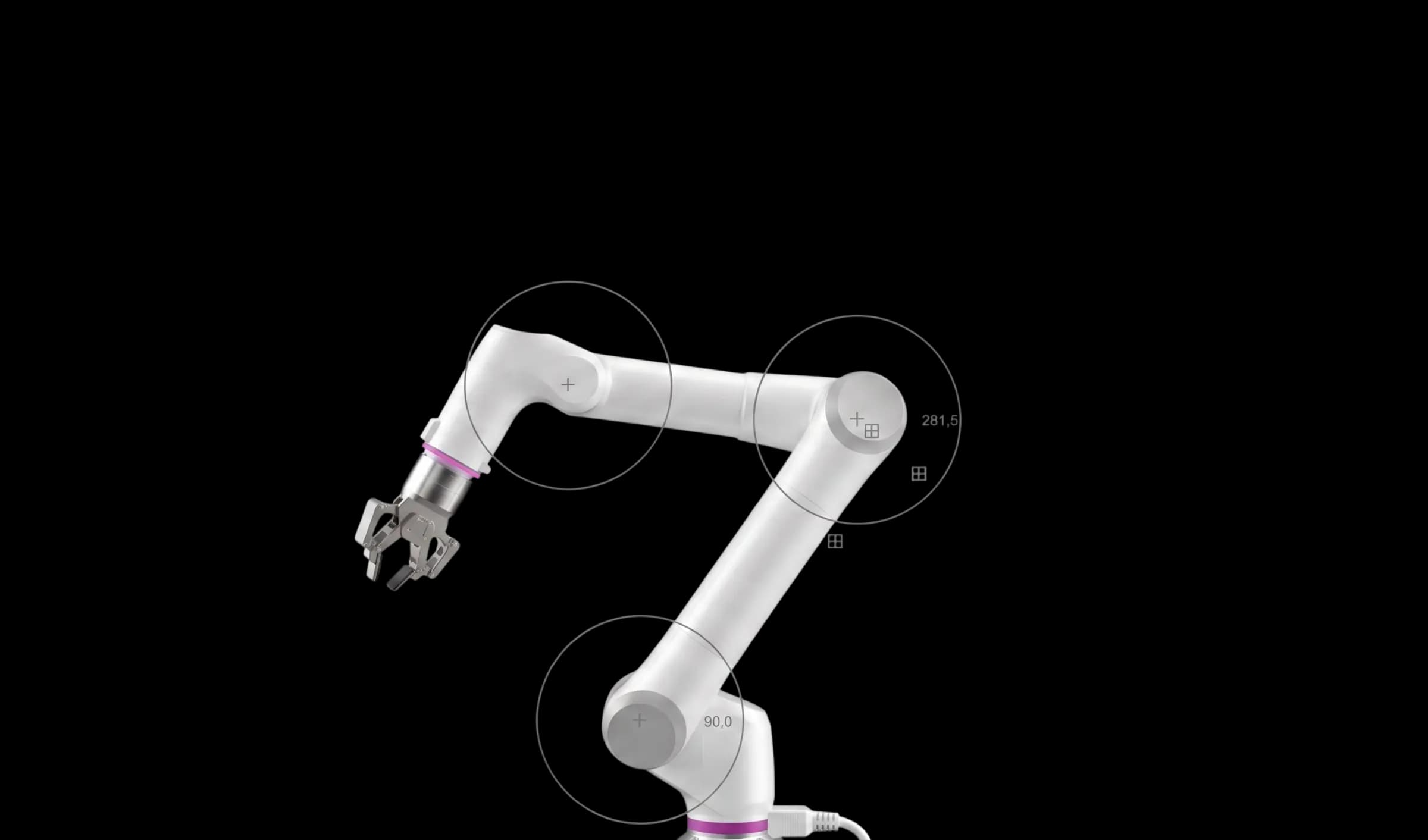
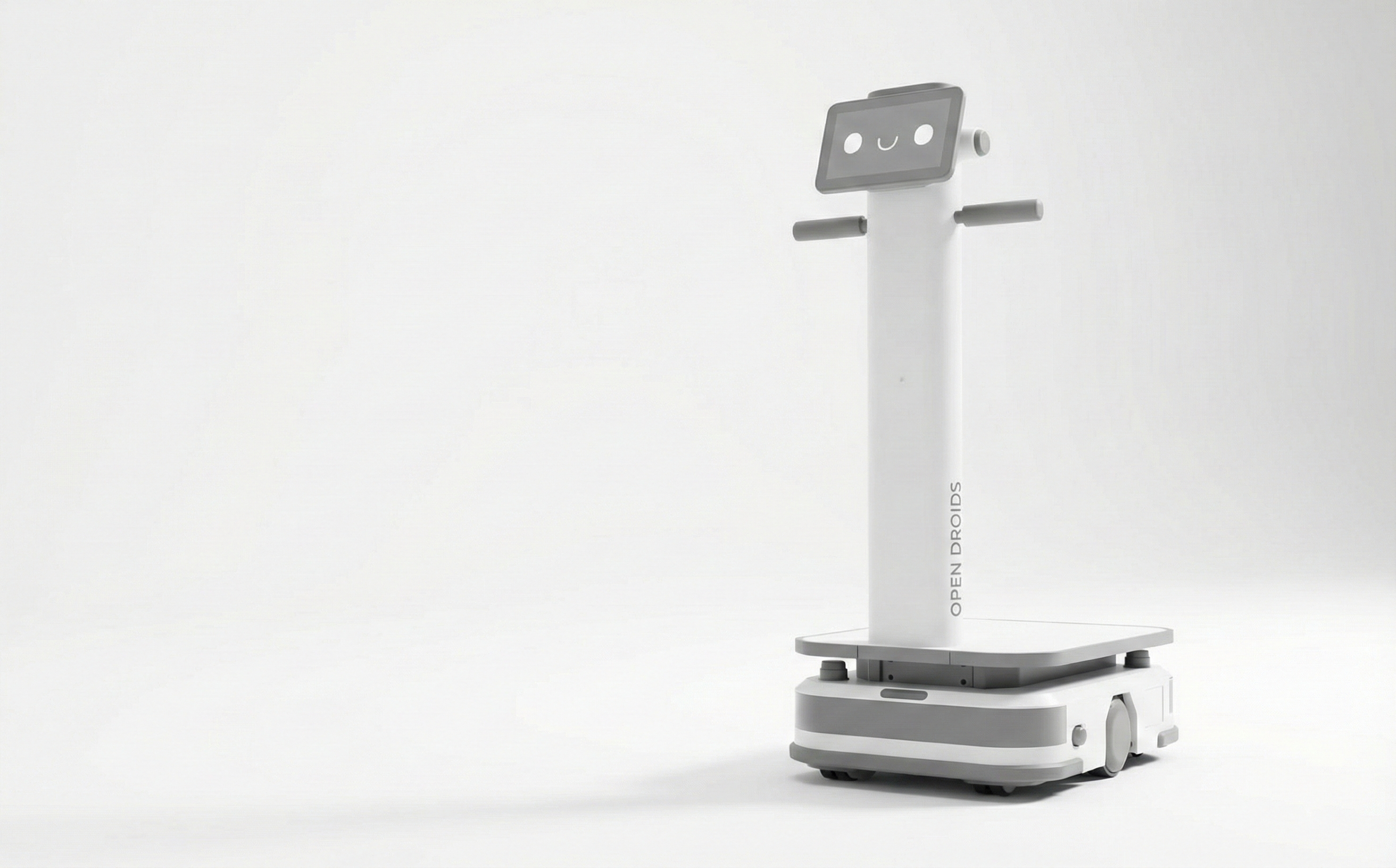
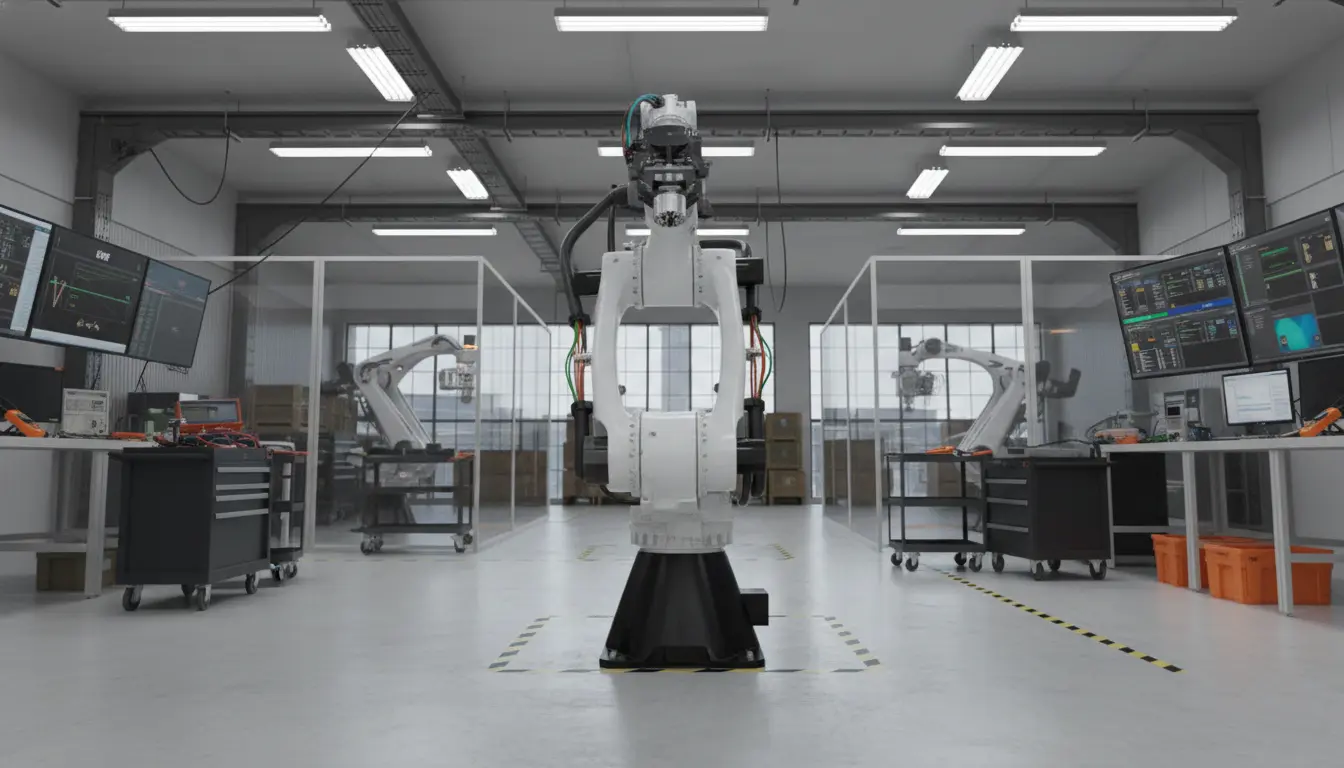
OpenDroids mobile manipulator on a manufacturing floor

Ghost Shift: Active

94%

dynamic utilization vs. 45% fixed cell

Reliability

A robot doesn't retire, call in sick, or age out. The average machinist is 47.6 years old build a workforce that scales with your headcount plan, not against it.

Utilization

Fixed robot cells run at roughly 30% of a 168-hour week; mobile fleets hit 94% by routing dynamically around bottlenecks instead of waiting on the line ahead of them.

Speed to Deploy

Days, not months. No safety cages, no conveyor rework, no facility downtime a mobile fleet installs without touching your floor plan.

Cost Reduction

On a modeled 10,000 sq ft facility, automation replaced $96,000/mo in labor cost with $22,250/mo in automation cost a $73,750 monthly swing. Full math in the ROI section below.

The Arm on Wheel Advantage

Machine tending, in transit inspection, and matrix routing mobile manipulators that work the hours a fixed cell can't.

Machine Tending

Machine Tending (The Ghost Shift)
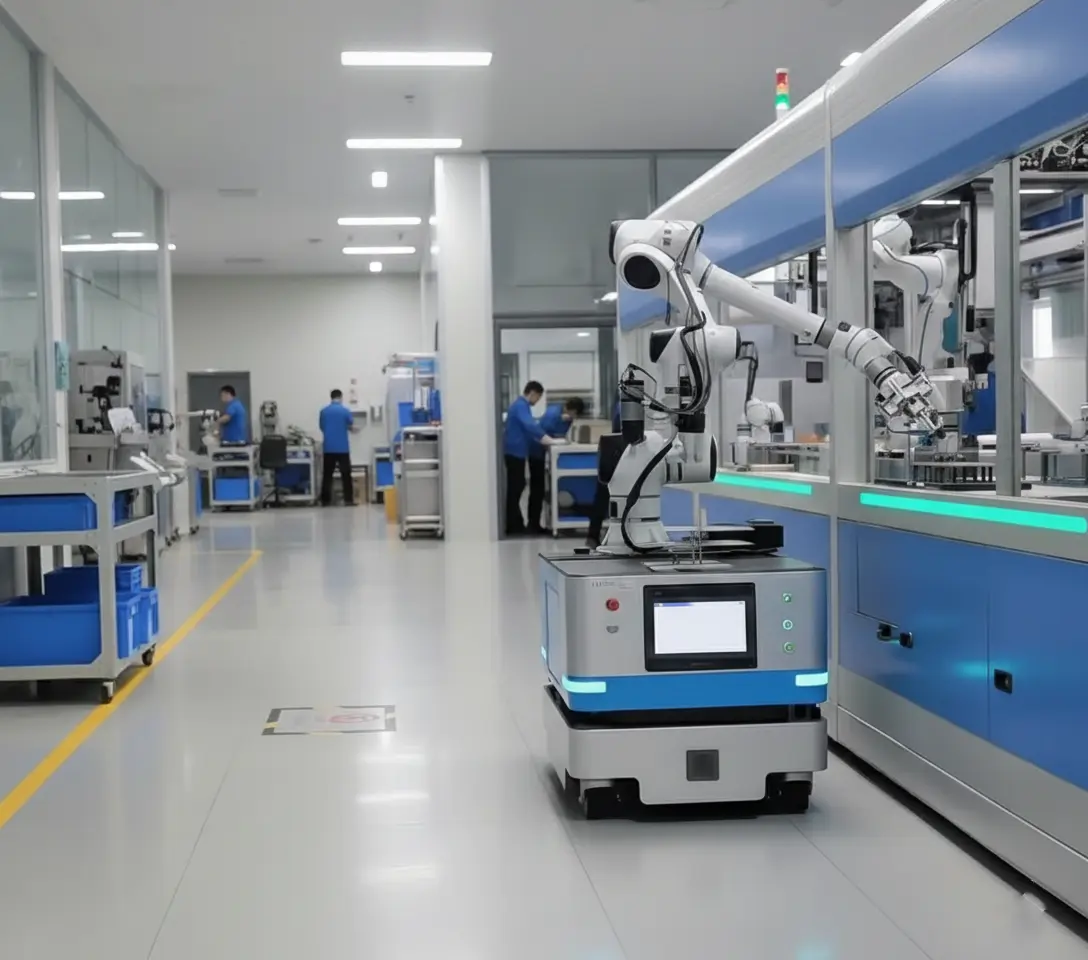
OpenDroids mobile manipulator tending a CNC machine on an after-hours factory floor

Skilled machinists are hard to hire and expensive to pay for loading raw stock and waiting on cycle times work that doesn't require a skilled operator, but still eats their hours. OpenDroids' mobile manipulator navigates your machine shop autonomously, loading CNCs and tending cycles through the night shift no one wants to staff.

  • Output increase of up to 300% without adding headcount
  • Runs the shift window your current labor structure can't cover
  • Frees skilled machinists for programming and setup, not babysitting a cycle
Quality Inspection

In Transit Quality Inspection (The Zero-Defect Line)

OpenDroids robot inspecting a part mid-transit on a manufacturing floor

Traditional QC happens at the end of the line by the time a defect is caught, the whole batch may already be bad. OpenDroids' robots inspect parts with camera-based metrology while transporting them between stations, catching defects the moment they occur instead of after a full run is wasted.

  • Defects detected in motion, not after batch completion
  • Scrap rates driven toward near-zero on inspected lines
  • No added cycle time inspection happens during transport, not instead of it

Matrix Production

Matrix Production (The Liquid Factory)

OpenDroids mobile robots routing between multiple stations on a factory floor

A conveyor forces a straight line if Station 2 goes down, the whole run stops behind it. OpenDroids' mobile fleet isn't bolted to a path: if a station is blocked, robots reroute parts to the next open station without a line stoppage.

  • Bottlenecks routed around instead of waited out
  • Changeover time cut from roughly 3 weeks (hardware reconfiguration) to about 4 hours (software reroute)
  • Floor space reclaimed: no safety cages or fixed conveyors to remove later

ROI

The Financial Case

On a modeled 10,000 sq ft facility running material handling, quality inspection, and end-of-line packing, current labor cost runs $96,000/month before a single shift goes unfilled.

$73,750

Net monthly savings after automation costs on the modeled facility

10 units

Robots in the modeled 10,000 sq ft deployment

$22,250/mo

$19,250 EMI + $3,000 maintenance vs. $96,000/mo labor

5 months

Modeled breakeven on a 20-month financing term

$1.475M

Total 20-month savings on the modeled facility

383%

Modeled ROI on the 10-robot scenario not a deployment average

MetricBefore OpenDroidsAfter OpenDroidsDifference
Monthly labor / automation cost$96,000$22,250−$73,750/mo saved
Machine utilization30–45% (static)94% (dynamic)+49–64 pts
Floor space (safety infrastructure)Cages + conveyorsZero footprint28% reclaimed
Changeover time3 weeks4 hours~30× faster

Breakeven at 5 months on the modeled facility above run your own facility's numbers with the ROI calculator. Calculate your ROI →

Dollar figures and the 383% ROI are a single modeled 10,000 sq ft / 10-robot scenario from the manufacturing ROI calculator not a deployment average. Actual results vary by facility size, labor rates, shift structure, and operational configuration. Estimates are not guarantees.

Trust & Deployment

Built for Existing Machine Shops

Static robots can't leave their cage. AGVs can't pick things up. The mobile manipulator does both without bolting capital to concrete.

  • ✓30-day deployment with no safety cages or conveyor construction
  • ✓Built to tend existing CNC and machine-shop equipment
  • ✓Mobile fleet installs without rewriting your floor plan
  • ✓RaaS monthly subscription hardware, software, and support included
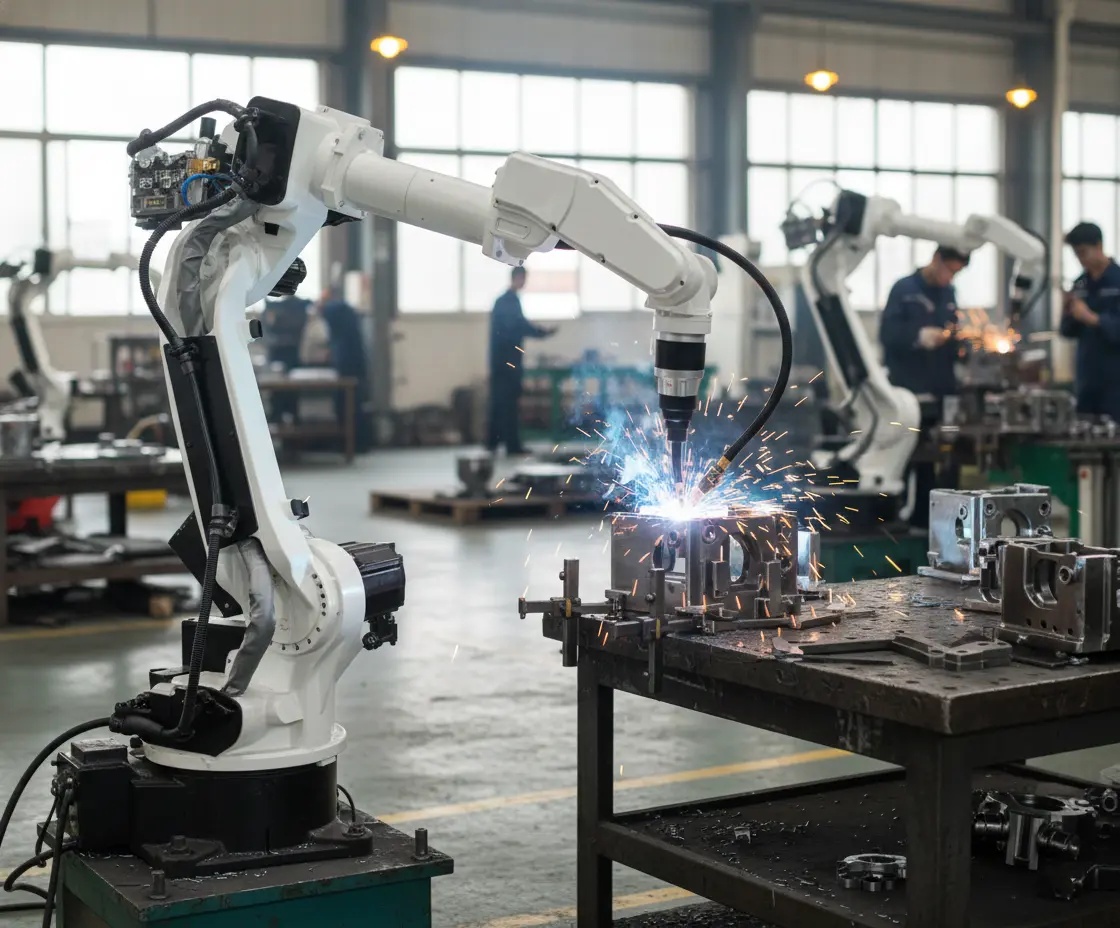
OpenDroids manufacturing robot operating on a factory floor

For Operators & Entrepreneurs

Start a Robotics Business

Own a territory in robotics-as-a-service. OpenDroids partners earn recurring revenue deploying commercial robots no hardware purchase, full support included.

View the business playbook →

FAQ

Questions Plant Managers Ask

How much does a mobile manipulator robot cost for a factory?

Mobile manipulators typically cost $80,000-$250,000 to purchase outright. OpenDroids removes that capital line entirely via a Robotics-as-a-Service subscription that bundles the robot, software, and 24/7 support into one monthly fee. Exact pricing depends on payload, reach, and number of stations covered.

What's the difference between a fixed robot cell and a mobile manipulator?

A fixed robot cell is bolted to one station and only serves the machines inside its safety cage, typically running around 45% utilization because it's blocked whenever upstream work stalls. A mobile manipulator moves between 5+ machines and reaches roughly 94% utilization through dynamic routing.

Can a mobile manipulator tend multiple CNC machines?

Yes. OpenDroids' mobile manipulator navigates autonomously between CNC machines, loading raw material and unloading finished parts, then moves to the next machine while the first completes its cycle. This unattended overnight pattern is what OpenDroids calls the 'Ghost Shift.'

How long does it take to deploy a manufacturing robot?

There's no conveyor installation, safety caging, or hardware purchase to coordinate, since deployment is largely software- and mapping-based. OpenDroids targets a start-to-earning window measured in days, not the months typical of a fixed automation cell installation.

Will a mobile manipulator replace my machinists?

No. It's built to fill the gap created by a shrinking skilled-machinist workforce; the average U.S. machinist is 47.6 years old, and NAM/Deloitte project 1.9 million unfilled manufacturing jobs by 2033. The robot absorbs repetitive loading/unloading so machinists focus on setup, programming, and quality decisions.

What is 'matrix production' in manufacturing robotics?

Matrix production replaces a fixed conveyor line with mobile robots that route parts dynamically between stations. If one station goes down, the robot reroutes the part to another available station instead of stopping the whole line, eliminating the single point of failure a linear conveyor creates.

Are manufacturing robots FCC compliant after the July 2026 ruling?

Yes. OpenDroids manufacturing robots for assembly assist, material handling, and quality inspection are final-assembled in the United States, qualifying as domestic end products under 48 CFR Section 25.101(a), exempt from the FCC's July 2026 restriction on new foreign-produced advanced robotic devices.

FCC Compliance · July 2026

Manufacturing Robots: FCC-Compliant and US-Assembled

Following the FCC's July 2026 ruling (DA-26-786), all new foreign-produced advanced robotic devices are prohibited from receiving US market authorization. OpenDroids manufacturing robots for assembly assist, material handling, and quality inspection are final-assembled in the United States, qualifying as domestic end products under 48 CFR §25.101(a) exempt from this restriction and available for immediate deployment with no compliance risk.

If you are currently evaluating or using foreign-produced industrial robots or non-domestic manufacturing robots in your manufacturing operation, contact us to discuss a compliant transition to OpenDroids typically live within 30 days.

OpenDroids robotic arm — US manufacturing and assembly roadmap

Book a Demo

Your Machines Are Already Idle Half the Week

Stop paying full price for partial week utilization. OpenDroids robots run the hours your current shift structure can't cover and the math pays for itself in months, not years.

No commitment. We'll show you the exact ROI for your facility.

No commitment. We'll show you the exact ROI for your facility.