Solar Panel Cleaning · RaaS

Robots for Autonomous Solar Panel Cleaning That Recover Lost Energy

Foldable, energy recoverable, waterless autonomous cleaning bots 30 days without a crew on the roof or in the field, without a water logistics team.

4–7%

Average annual energy loss from soiling globally

Zero

Water used dry microfiber and airflow cleaning

Zero

Crew on panels eliminates fall and heat stress risks

30 days

Deployment, hardware to handoff

No commitment. We'll model the recovered energy for your site.

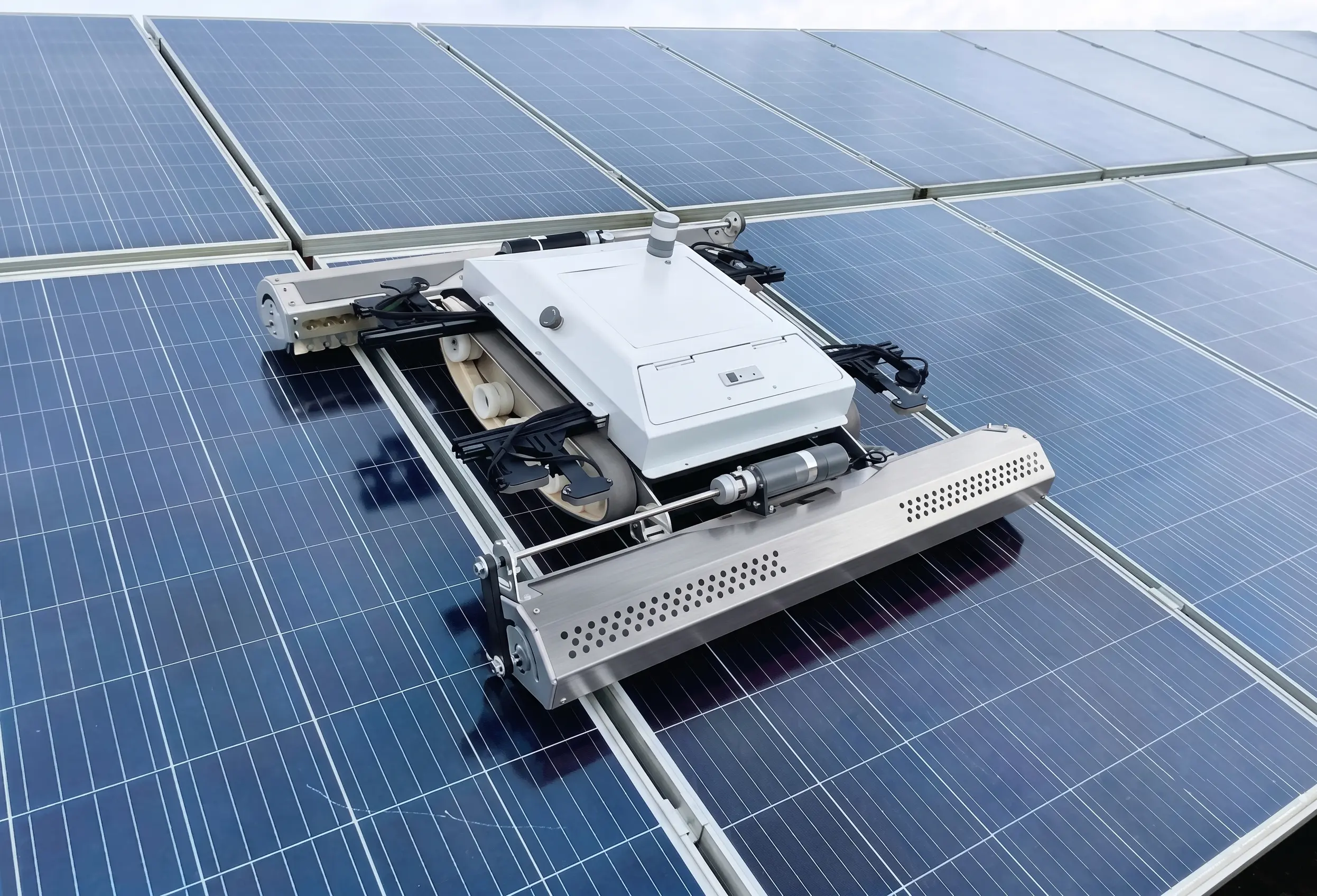
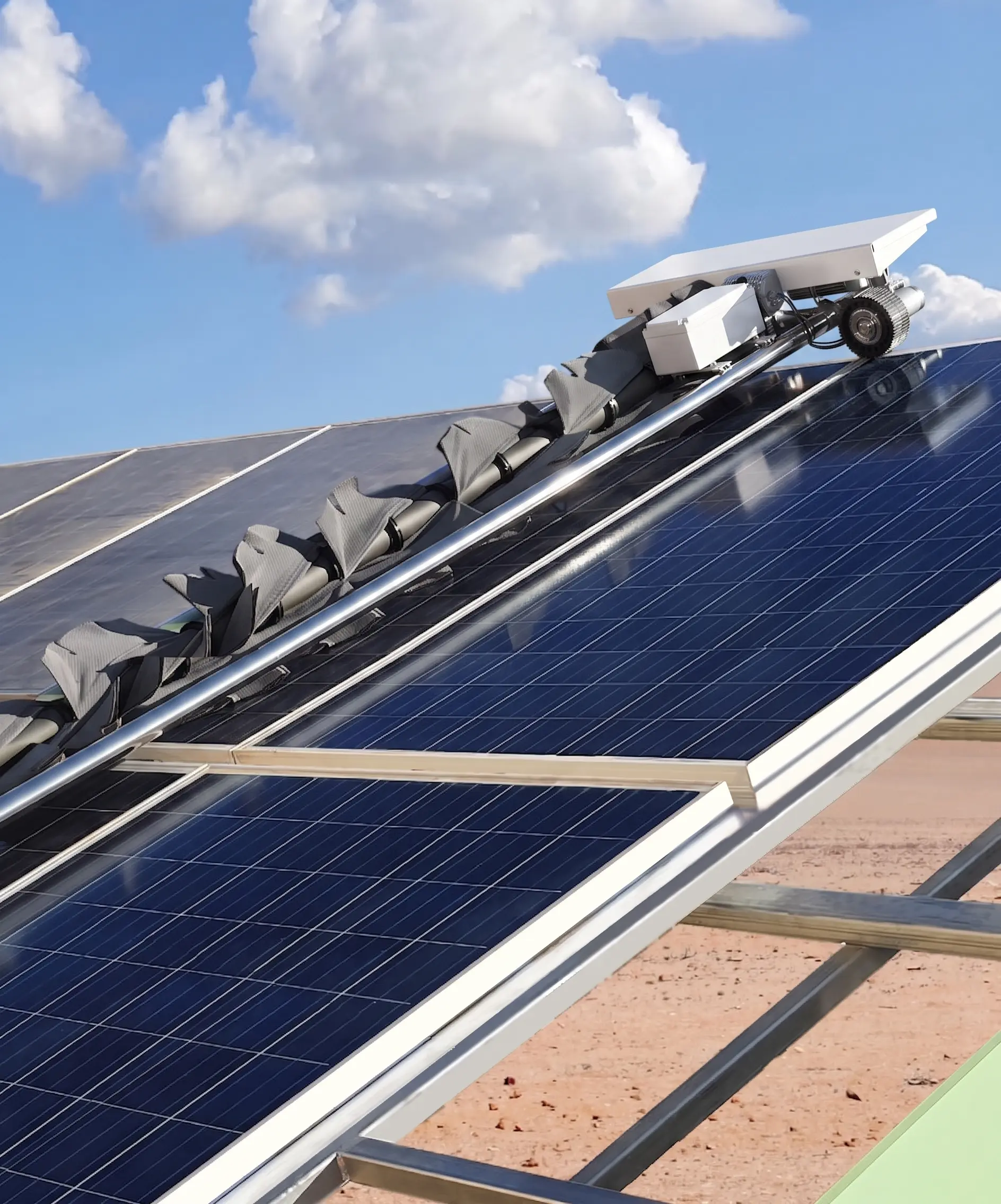
OpenDroids cleaning robot gliding along a row of ground-mount solar panels at dawn with panel rows extending toward the horizon

Energy Recovery

4-7%

annual soiling loss recovered, waterless

Waterless by Design

Dry airflow lifts dust first, microfiber brushes finish the pass — no water tankers, no water rights to negotiate, no mineral staining left behind.

Recovers Real Revenue

Soiling causes an average 4–7% annual energy loss worldwide, and even 1% of lost output translates to real dollars on a utility-scale site every month.

Removes Crew Risk From the Roof and Field

Falls and heat stress are the two biggest injury categories for manual cleaning crews working panels at height or in open desert sites — a robot doesn't carry either risk.

Cleans on a Schedule, Not a Calendar

Robots run condition-based cleaning cycles tied to actual soiling data instead of a fixed twice-a-year truck-mounted wash, catching losses as they build instead of after they compound.

Where Solar Cleaning Robots Deploy

Utility-scale ground-mount, commercial rooftop, and high-soiling desert sites waterless autonomous cleaning with every pass logged.

Utility-Scale

Utility-Scale Ground-Mount Solar Farms
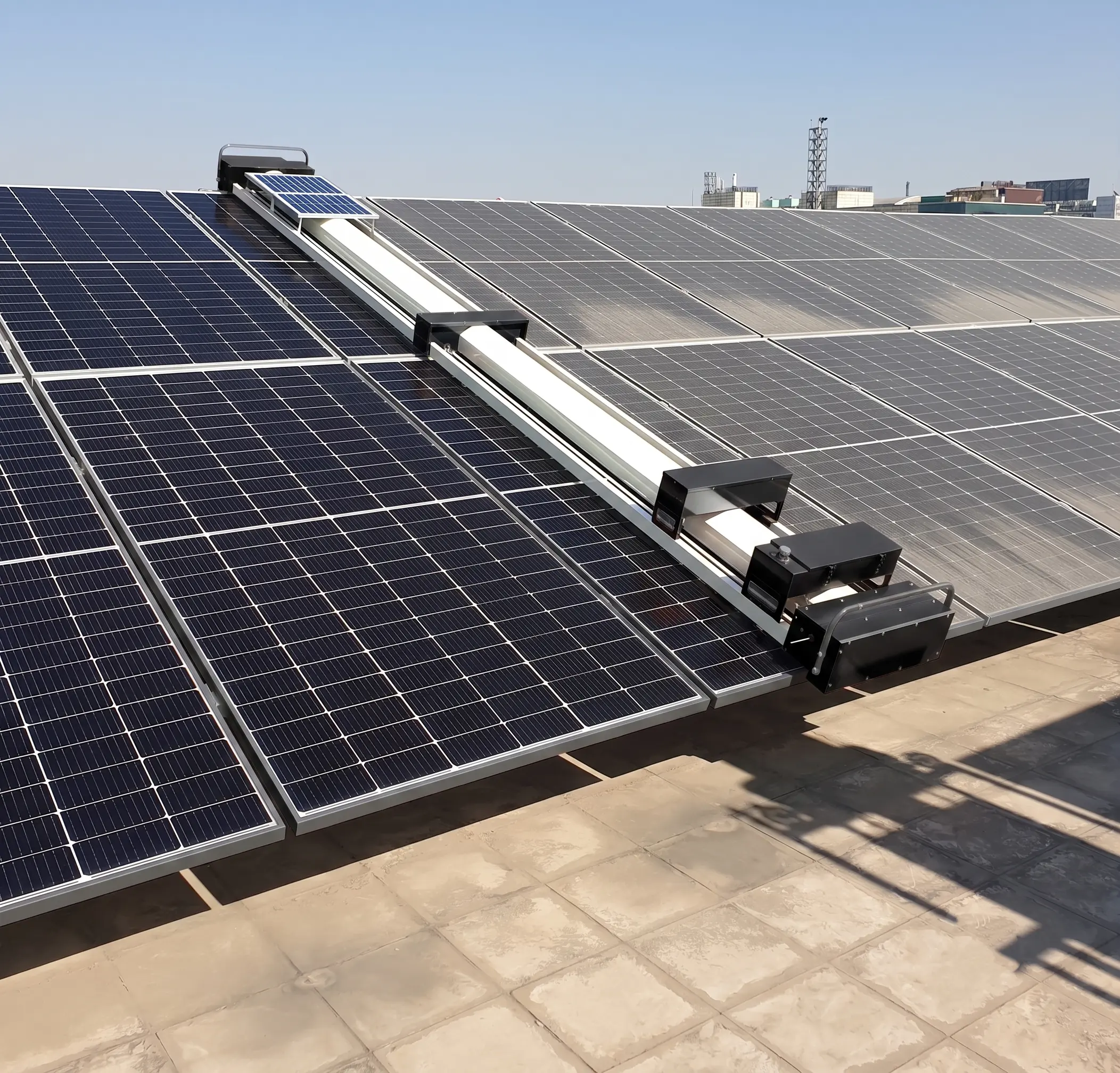
OpenDroids cleaning robot moving along a long row of ground mount utility solar panels with full array visible in the background

Manual cleaning crews can't keep pace with 100+ MW installations truck-mounted washing doesn't scale economically across that many rows, and soiling keeps accumulating between visits regardless. A 10MW plant losing power to soiling can bleed well over $100,000/year in unrecovered revenue depending on local soiling rates and electricity pricing. OpenDroids robots run scheduled or condition based cleaning cycles across the full array, every pass logged for the O&M team.

  • 4-7% average annual soiling loss globally, with dry/dusty regions running significantly higher
  • Manual crew wash rates typically run $0.50-$1.00 per panel per wash a cost that scales linearly with panel count
Rooftop C&I

Commercial & Industrial Rooftop Solar

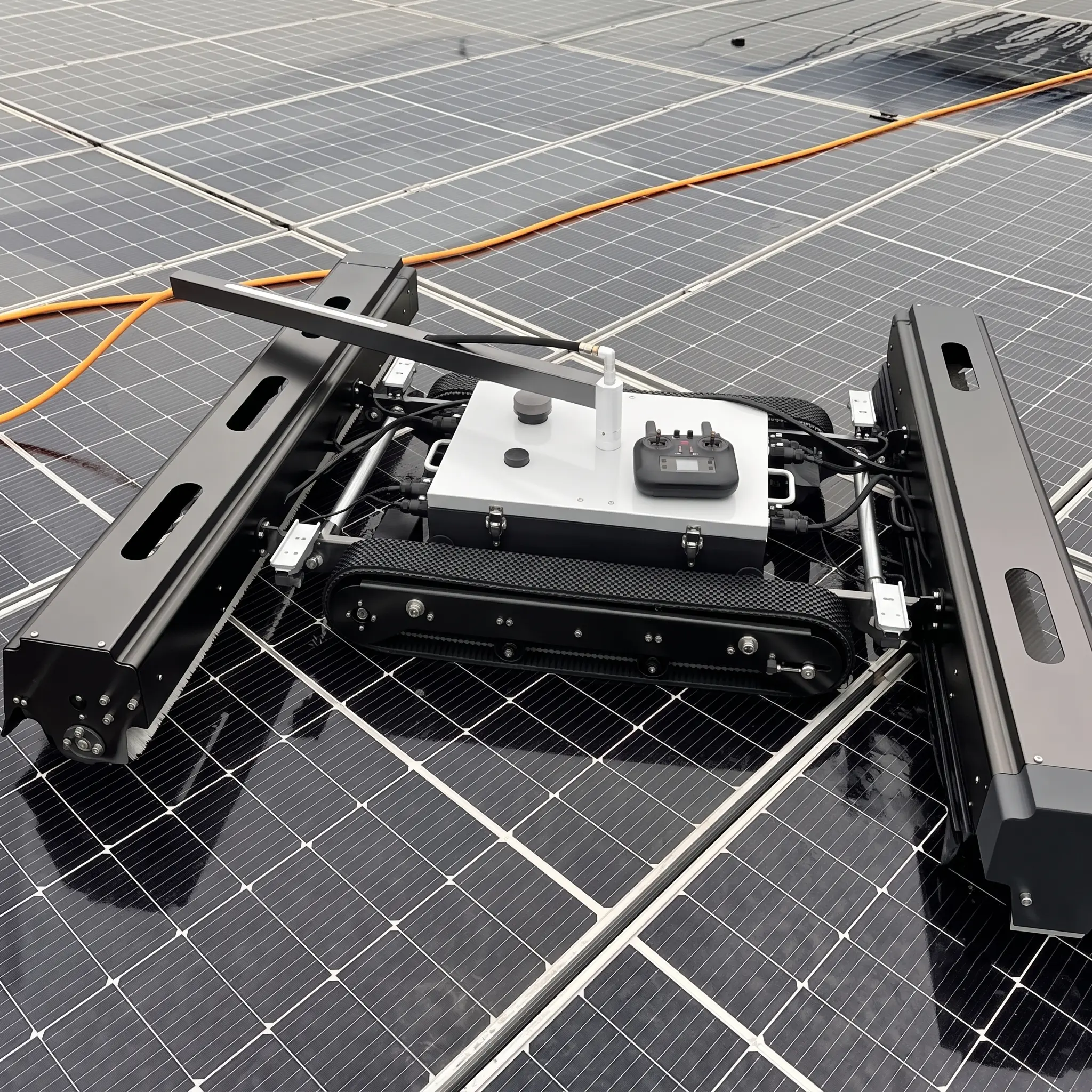
OpenDroids robot on a commercial rooftop solar array with building edge and skyline visible

Rooftop arrays on warehouses, distribution centers, and corporate campuses are harder and riskier to clean manually than ground-mount farms every crew visit means fall-protection gear, roof access coordination, and liability exposure the facility didn't have before the panels went up. OpenDroids robots operate autonomously on the rooftop array itself, cleaning on a schedule without a crew ever stepping onto the roof.

  • Eliminates roof access liability exposure tied to manual cleaning crews
  • Consistent cleaning cadence regardless of crew availability or scheduling gaps

Desert & Arid

Desert & High-Soiling Regions

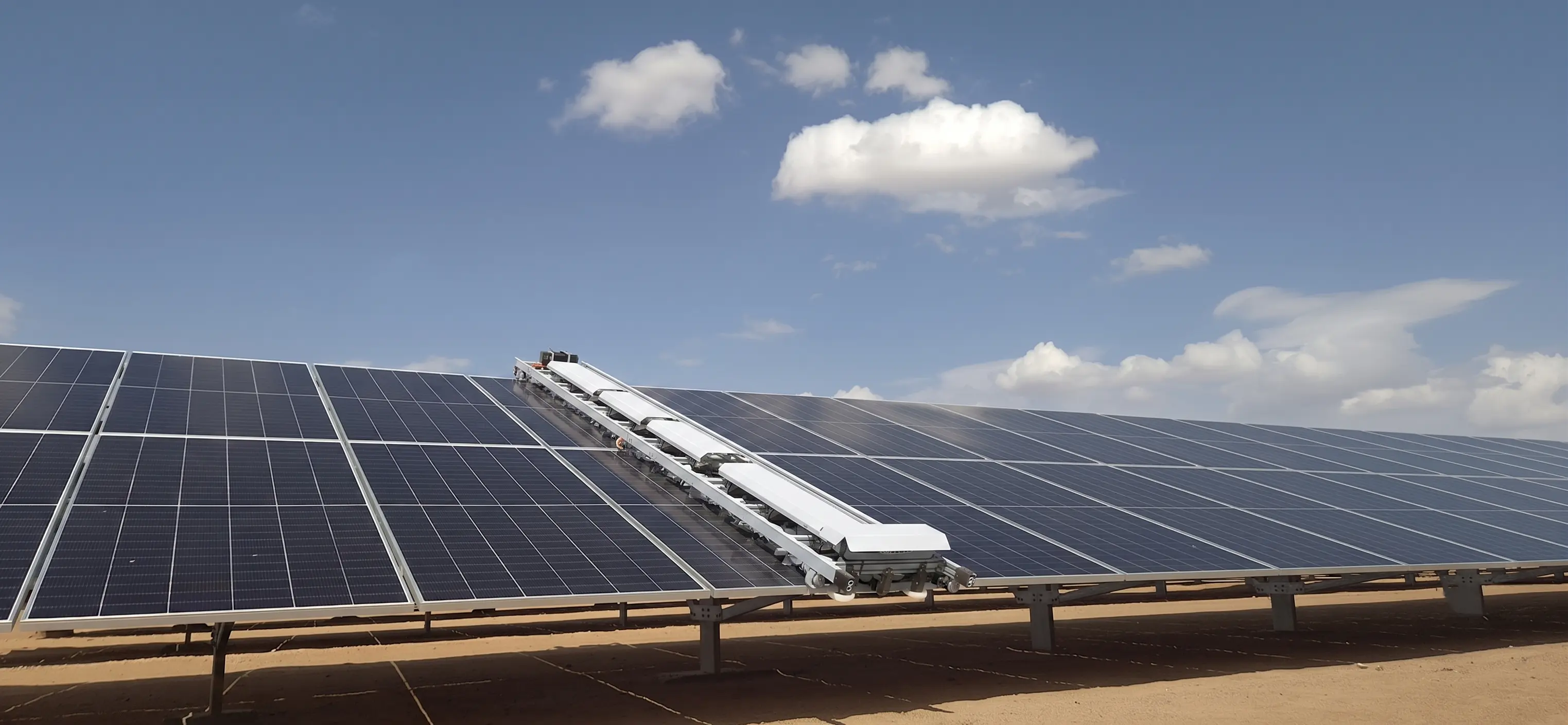
OpenDroids robot operating on a desert solar farm with visible dust terrain and panel rows in early-morning light

Sites in arid, high dust regions see the most severe soiling losses in the industry output reductions well above the 4-7% global average are common where sand, dust, and low rainfall combine, with some regions reporting losses in the double digits without frequent cleaning. Water is also the scarcest resource at exactly the sites that need cleaning most often. OpenDroids robots run fully waterless, so cleaning frequency isn't limited by water access or trucking cost.

  • Waterless operation removes the water logistics constraint that limits manual cleaning frequency in arid sites
  • Higher-frequency cleaning cycles possible without added water or crew cost

ROI

The Financial Case for Autonomous Cleaning

Soiling causes an average 4–7% annual energy loss on solar installations worldwide, and manual cleaning crews typically charge $0.50–$1.00 per panel per wash — a cost and a loss that both scale with every panel added to the site.

4-7%

Average annual energy loss from soiling globally, with arid and high dust sites running well above that baseline

$0.50-$1.00

Per-panel per-wash manual crew cost a figure that compounds across every cleaning cycle and every panel

1% = $thousands

Even a 1% output loss can translate to thousands of dollars in lost annual revenue on a utility scale site

~60%

Reported lifecycle cleaning cost reduction with waterless robotic cleaning versus manual crews

~2 years

Typical payback for robotic cleaning on utility scale plants, with high soiling sites reaching breakeven faster

MetricBefore OpenDroidsAfter OpenDroidsDifference
Cleaning methodManual crew, truck mounted washAutonomous waterless robotNo crew on panels
Cleaning cost$0.50-$1.00/panel/washRaaS subscription (contact sales)Lower total cost
Water useTens of liters per panel, typicalZero. dry cleaning onlyEliminated
Energy lost to soiling4-7% annually, higher in arid regionsCondition based cleaning targets recoverySignificant recovery

Comparable robotic cleaning deployments on utility-scale plants report payback within roughly 2 years, with high-soiling sites reaching breakeven faster. Calculate your ROI →

Dollar figures and ROI estimates are sourced from published industry data (IEA-PVPS, SolarAnywhere, University of Houston, AgDroneDirectory) — not OpenDroids deployment averages. Actual results vary by site location, soiling rate, panel count, and electricity pricing. Estimates are not guarantees.

Trust & Deployment

Built for Sites That Can't Afford Lost Output

Manual crews can't match the frequency or the safety profile of a robot that never steps on a panel, never needs water, and logs every pass for your O&M team.

  • 30-day deployment including site mapping, route programming, and O&M integration
  • Fully waterless operation. no tankers, no water rights, no mineral staining
  • Zero crew on panels. eliminates fall-protection liability and heat stress risk
  • RaaS monthly subscription with hardware, software, and 24/7 support included
OpenDroids robot on a commercial rooftop solar array

Also explore robotics in these industries

Solar cleaning sits alongside manufacturing and warehouse automation. See how OpenDroids deploys across adjacent operations.

For Operators & Entrepreneurs

Start a Solar Cleaning Robotics Business

Own a territory in solar cleaning robotics-as-a-service. OpenDroids partners earn recurring revenue deploying autonomous cleaning fleets. no hardware purchase, full support included.

View the business playbook →

FAQ

Questions Solar Operators Ask

How much energy do dirty solar panels actually lose?

Soiling causes an average annual energy loss of 4–7% worldwide, and that number climbs significantly higher in dry, dusty, or low rainfall regions. The loss is easy to miss day-to-day because panels producing 90% of potential don't look broken and inverters don't alarm it just quietly compounds over the year.

How much does solar panel cleaning cost?

Manual crews typically charge $0.50–$1.00 per panel per wash, a cost that scales linearly with array size and rises further for hard-to-access rooftop or remote ground-mount sites. OpenDroids runs on a Robotics-as-a-Service subscription instead of per-wash billing talk to sales for a rate specific to your panel count.

Do waterless cleaning robots clean as well as a manual wet wash?

Yes, for the soiling type most sites deal with dust, pollen, and light debris. Waterless robots use airflow to lift loose dust first, then microfiber brushes to finish the pass, avoiding the thermal shock, mud edge staining, and micro-crack risk that come with manual wet washing on hot panels.

Is robotic solar cleaning worth it for a smaller commercial rooftop, or only utility scale farms?

Manual crews can still work economically on small blocks, but the safety and liability savings from removing crew roof access apply at any scale. Utility scale portfolios typically see the clearest financial case because manual crew costs and soiling losses both scale with panel count, but commercial rooftop operators often adopt it primarily to eliminate roof access liability.

How long does it take to deploy a solar cleaning robot fleet?

OpenDroids robots are typically live within 30 days of signing, covering site mapping, route programming, and system integration with your existing O&M monitoring. You don't need robotics expertise on staff to run it.

FCC Compliance · July 2026

Solar Robots: FCC-Compliant and US-Assembled

Following the FCC's July 2026 ruling (DA-26-786), all new foreign-produced advanced robotic devices are prohibited from receiving US market authorization. OpenDroids solar robots for solar robots for autonomous panel cleaning and waterless maintenance are final-assembled in the United States, qualifying as domestic end products under 48 CFR §25.101(a) exempt from this restriction and available for immediate deployment with no compliance risk.

If you are currently evaluating or using foreign-produced solar cleaning robots or non-US solar farm maintenance robots in your solar operation, contact us to discuss a compliant transition to OpenDroids typically live within 30 days.

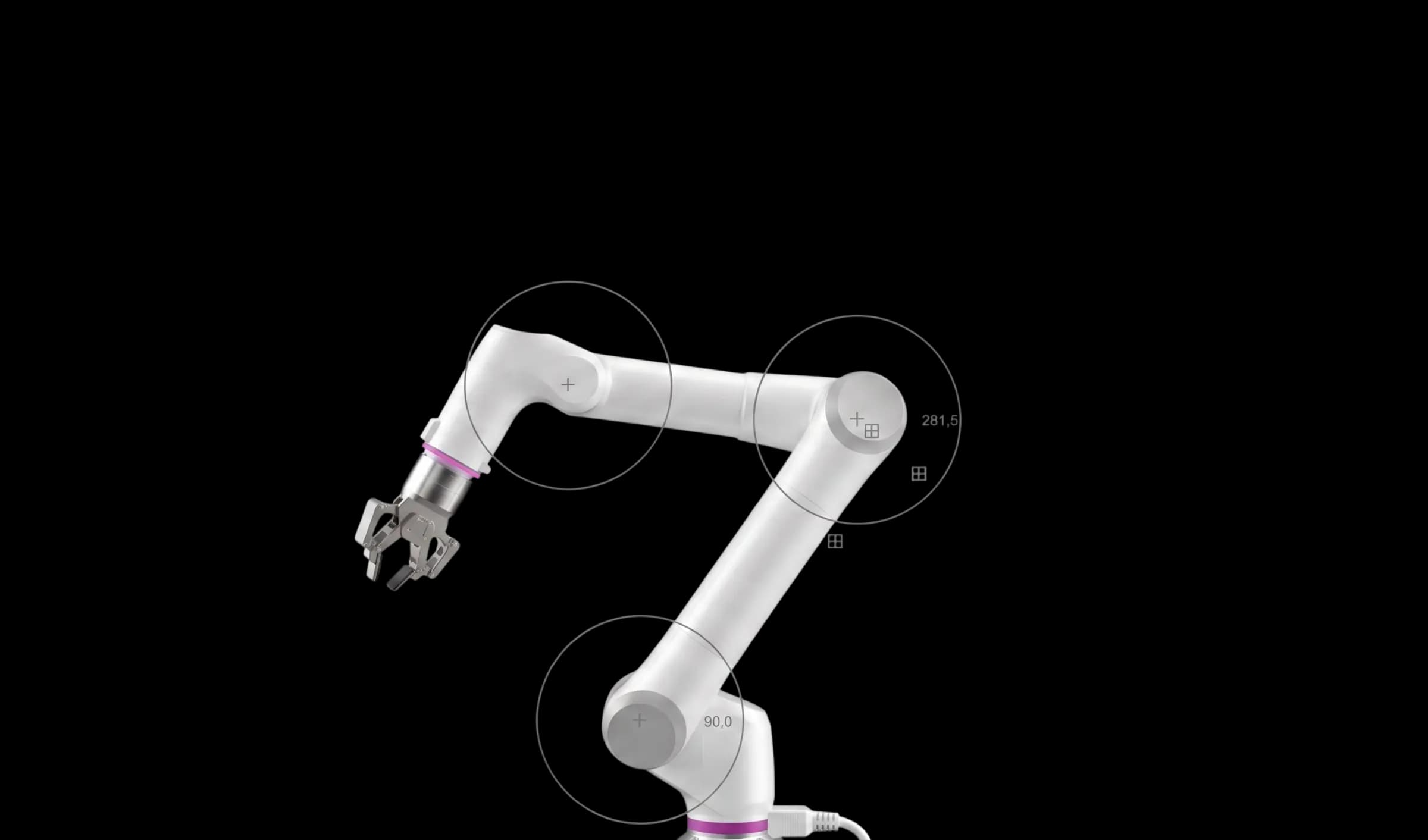
OpenDroids robotic arm — US manufacturing and assembly roadmap

Book a Demo

Every Uncleaned Cycle Is Revenue Left on the Panel

Recover the energy soiling is quietly costing you with a waterless robotic fleet that never puts a crew at risk — deployed in 30 days, fully managed by OpenDroids.

No commitment. We'll show you the exact ROI for your site.

No commitment. We'll show you the exact ROI for your site.