Education & Research · RaaS

Robots for Education and Research That Turn Your Campus Into a Working Lab

Deploy a turnkey robotics fleet classroom, hallway, and research ready so your institution can teach industry grade skills and run a leaner campus without hiring a robotics department to manage it.

$2.07B

Education robot market projected for 2026, growing to $4.11B by 2031

39%

Of US K-12 schools estimated to use robotics kits in classrooms

33%

Of higher-ed institutions estimated to deploy robots for research programs

30 days

Deployment, hardware to handoff

No commitment. We'll scope the right pilot for your campus.

Campus hallway or STEM lab with an OpenDroids robot mid-task alongside students actively engaged

Smart Campus

30 days

turnkey fleet, classroom to hallway

Real Industry Skills, Not Screen Time

Students program actual hardware with Python and AI logic instead of clicking through a simulated interface the same skill set employers are hiring for now.

Campus Logistics That Run Themselves

Autonomous rovers handle library returns, IT equipment transport, and campus mail runs, freeing facilities staff for higher-priority work.

Consistent Support for Every Learner

Social robots give neurodivergent and autistic students a predictable, non-judgmental way to practice eye contact, social scripts, and emotional regulation research shows small to moderate but consistent gains in social engagement outcomes.

No Robotics Department Required

OpenDroids handles hardware, software updates, maintenance, and 24/7 support, so your IT team doesn't need to become a robotics engineering staff overnight.

Where Education Robots Deploy

STEM classrooms, campus logistics, research labs, and special education support a turnkey fleet without hiring a robotics department.

STEM Classroom

STEM & AI Literacy in the Classroom
Students in a campus lab actively programming and interacting with an OpenDroids robot

Coding kits and screen-based simulations are hitting a ceiling schools have the budget for cutting-edge technology but not the implementation staff to build a robotics curriculum from scratch, and students are increasingly disengaged by tools that never leave a screen. Industry estimates suggest nearly 39% of US K-12 schools already use robotics kits, but the gap between owning hardware and running a real program is where most schools stall. OpenDroids provides functional robots and ready to teach curriculum modules so students write Python and AI logic that moves physical hardware not another simulated interface.

  • Industry estimates put K-12 robotics kit adoption near 39%, with higher-ed research programs near 33%
  • Ready to teach curriculum modules so teachers don't build a robotics program from scratch
  • Students program physical hardware with Python and AI logic, not screen only simulations
Campus Logistics

Campus Logistics & Delivery

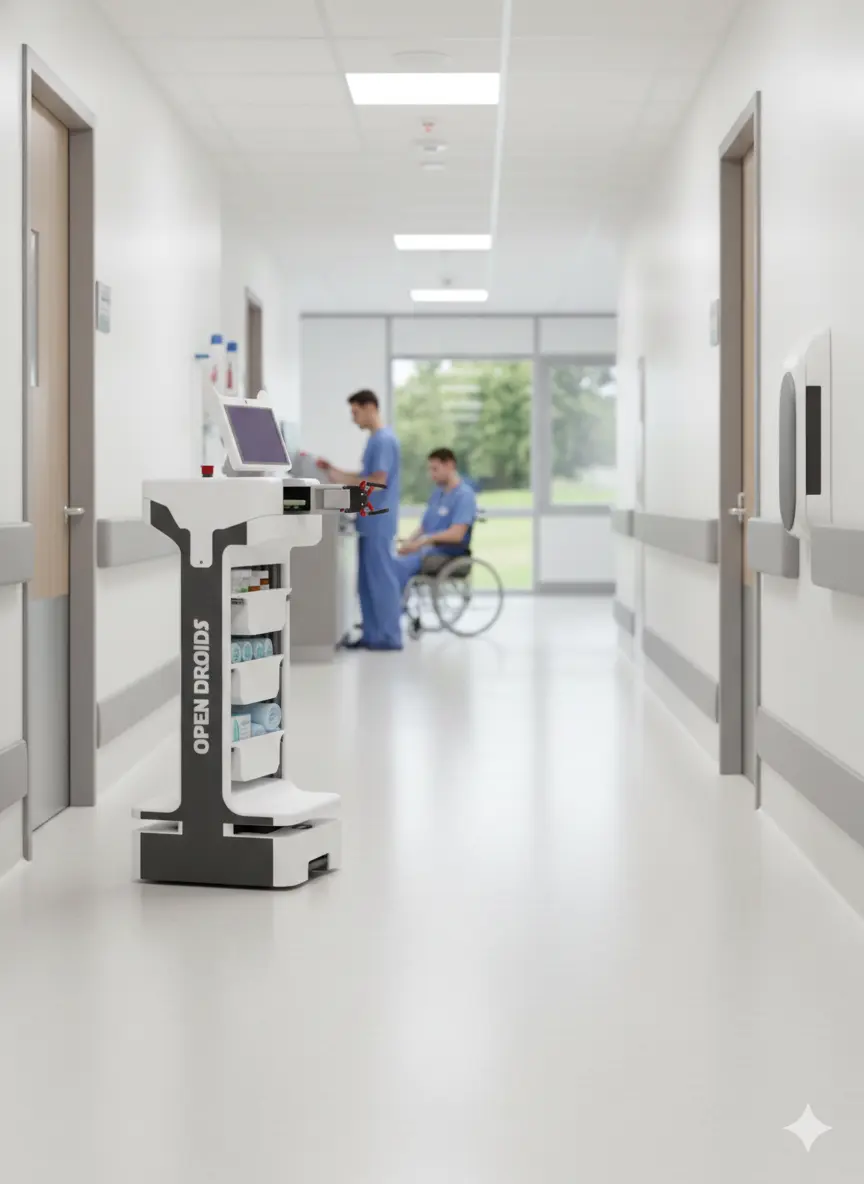
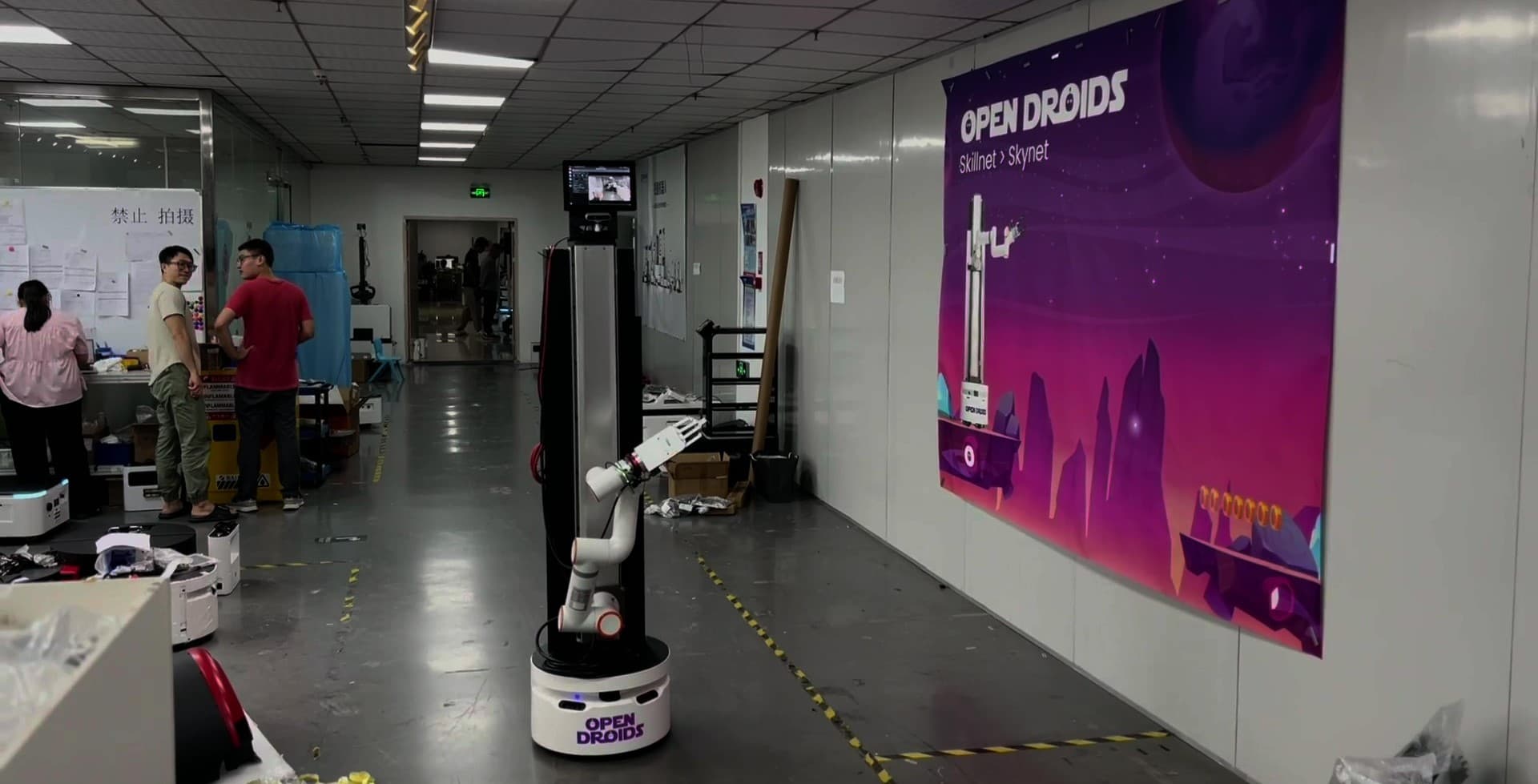
OpenDroids delivery rover moving through a campus hallway with students in the background

Facilities and library staff spend real hours every week on repetitive transport tasks library book returns, IT equipment delivery, interdepartmental mail that pull them away from higher-value work, and a mini citysized campus makes those runs add up fast. OpenDroids rovers operate autonomously across campus pathways and buildings, handling scheduled or on-demand delivery routes while doubling as a visible, tour-worthy showcase of the institution's technology investment.

  • Automates recurring delivery routes that currently consume facilities staff time daily
  • Functions as a marketing asset during admissions tours and campus visits

Research Labs

University & AI Research Labs

OpenDroids research-grade robotic platform in a university lab with researchers working nearby

Robotics and AI research programs need hardware platforms students and faculty can actually build on not a locked down consumer kit that limits what a thesis project or lab can attempt. OpenDroids provides functional, programmable robotic platforms configured for research use, giving engineering, computer science, and AI programs a shared hardware base instead of every lab sourcing and maintaining its own one-off equipment.

  • Shared, maintained hardware platform reduces per-lab equipment procurement and upkeep burden
  • Full hardware, software updates, and 24/7 support included, reducing dependence on in house robotics IT staff

Telepresence & SPED

Telepresence Learning & Special Education Support

Telepresence style robot support in a learning environment conveying inclusion and engagement

Students who are homebound due to chronic illness, or who need consistent, low-pressure support to build social and communication skills, are two of the hardest populations for a traditional classroom to serve well. Multi-week classroom deployments of telepresence robots with homebound K-12 students have documented real social emotional benefits, including reduced isolation and stronger peer connection. Separately, a systematic review and meta-analysis of social robots used with autistic children and young people found small to moderate benefits specifically in social communication outcomes. OpenDroids provides both telepresence units for remote attendance and social robot platforms for consistent, structured support sessions.

  • Documented reduction in isolation and stronger peer social connection for homebound students using telepresence robots
  • Meta analytic evidence of small to moderate benefit on social communication outcomes for autistic students using social robots

ROI

The Financial Case for Campus Robotics

A special education paraprofessional or classroom aide costs a district roughly $35,000–$40,000/year in salary alone, and that's before accounting for the substitute and training costs schools absorb every time a roboticscurious teacher leaves without transferring the program knowledge.

$35k–$40k

Approximate annual salary for a special education paraprofessional or classroom aide a cost pressure that doesn't scale with student need

$2.07B → $4.11B

Educational robot market growth projected from 2026 to 2031 institutions that wait risk falling behind on enrollment differentiation

30 days

Typical deployment window covering hardware setup, teacher curriculum onboarding, and campus configuration

Turnkey RaaS

No large upfront hardware purchase subscription includes hardware, software updates, maintenance, and 24/7 support

MetricBefore OpenDroidsAfter OpenDroidsDifference
STEM program setupTeachers build curriculum from scratch, unpaid prep timeReady to teach curriculum modules includedRemoves prep burden
Campus delivery laborFacilities staff run manual delivery routesAutonomous rover handles scheduled routesStaff hours recovered
Special education support consistencyDependent on staffing and aide availabilityConsistent, always available robot supportAlways available support
Hardware/IT overheadSchool manages hardware, updates, repairs in-houseOpenDroids manages hardware, software, 24/7 supportRemoves IT burden

Most institutions see measurable program and operational value within a single academic term. Calculate your ROI →

Market size and adoption figures are industry estimates from published research (Mordor Intelligence and related education robotics analyses) — not OpenDroids deployment averages. Actual results vary by campus size, use case mix, and staffing model. Estimates are not guarantees.

Trust & Deployment

Built for Campuses Without a Robotics Department

Teachers get ready-to-teach modules. Facilities get autonomous routes. Research labs get maintained platforms. OpenDroids handles the hardware so your staff can focus on students.

  • 30-day deployment including hardware setup, teacher curriculum onboarding, and campus configuration
  • Ready to teach STEM curriculum modules so teachers don't build a robotics program from scratch
  • RaaS subscription covers hardware, software updates, maintenance, and 24/7 support
  • No robotics department required IT staff aren't managing repairs overnight
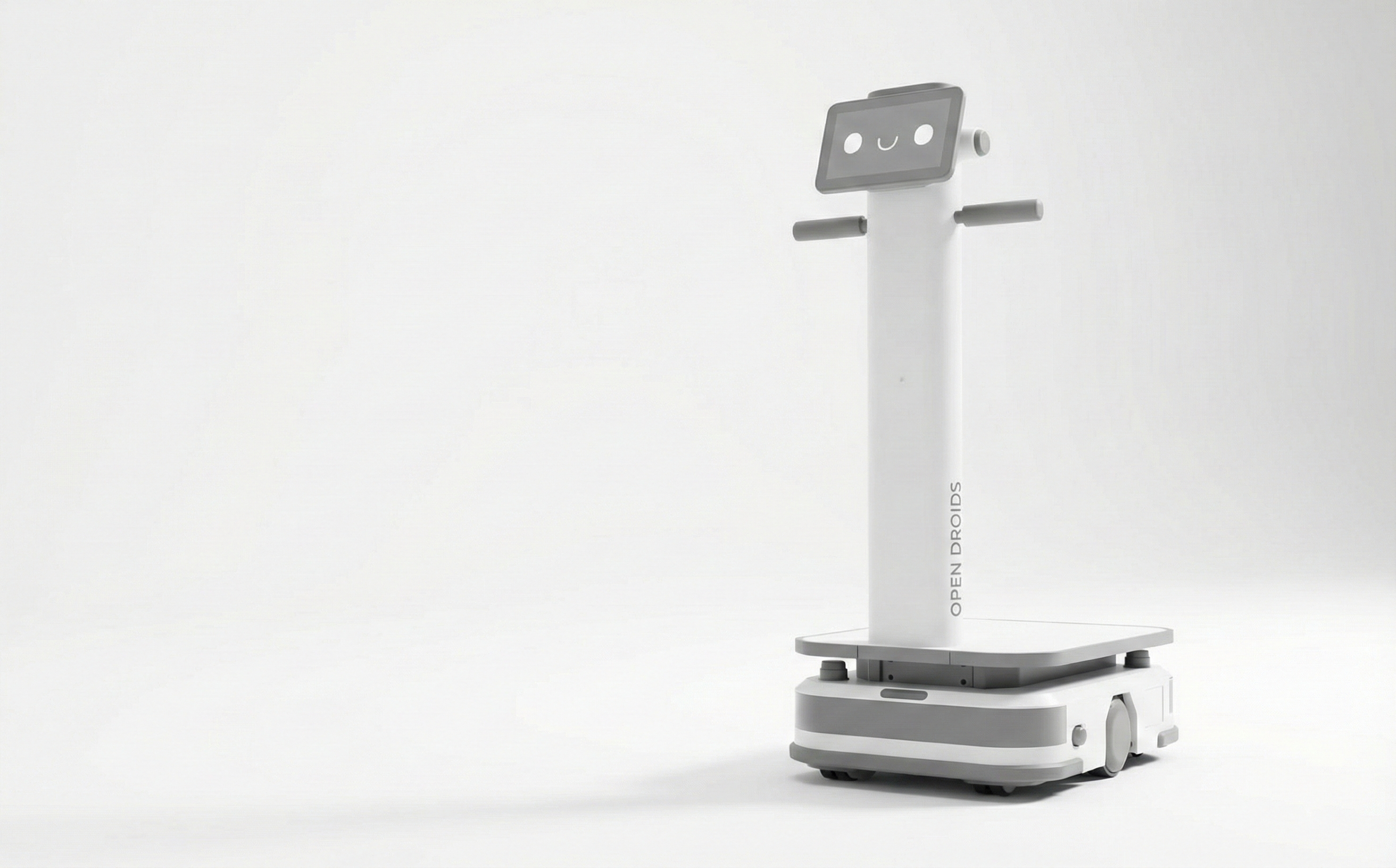
OpenDroids robot operating in a campus environment

For Operators & Entrepreneurs

Start a Robotics Business

Own a territory in robotics-as-a-service. OpenDroids partners earn recurring revenue deploying campus and education robots — no hardware purchase, full support included.

View the business playbook →

FAQ

Questions Campus Leaders Ask

What are education robots actually used for in schools?

Education robots cover four main use cases: teaching STEM and AI/coding literacy with physical hardware, automating campus logistics like delivery and mail runs, supporting research labs with programmable platforms, and providing telepresence or social robot support for homebound and special education students. Most institutions start with one use case and expand once the pilot proves out.

Do teachers need robotics training to run a classroom robot program?

Not with a turnkey deployment. OpenDroids provides ready to teach curriculum modules so teachers get structured lesson plans instead of having to build a robotics program from scratch, and we handle hardware maintenance and software updates so IT staff aren't managing repairs.

Can telepresence robots really help homebound students keep up academically and socially?

Yes. multi-week classroom deployments with homebound K-12 students have documented real benefits, including reduced isolation and stronger peer social connection, along with students staying more current with coursework. Results vary by student and how consistently the robot is used, but the research base is genuinely positive, not just promotional.

How much does an education robotics program cost?

OpenDroids runs on a Robotics-as-a-Service subscription rather than a capital equipment purchase, so there's no large upfront hardware cost. Pricing depends on which use cases you're deploying (classroom, logistics, research, or special education support) and how many units your campus needs talk to sales for a scope specific quote.

How long does it take to deploy a robotics program on campus?

OpenDroids robots are typically live within 30 days of signing, covering hardware setup, curriculum onboarding for teachers, and campus specific configuration for logistics or research use cases. You don't need to hire a robotics engineering team to get started.

FCC Compliance · July 2026

Education Robots: FCC-Compliant and US-Assembled

Following the FCC's July 2026 ruling (DA-26-786), all new foreign-produced advanced robotic devices are prohibited from receiving US market authorization. OpenDroids education robots for education robots for campus logistics, STEM learning, and special education support are final-assembled in the United States, qualifying as domestic end products under 48 CFR §25.101(a) exempt from this restriction and available for immediate deployment with no compliance risk.

If you are currently evaluating or using foreign-produced campus and STEM robots or non-US telepresence and education robots in your education operation, contact us to discuss a compliant transition to OpenDroids typically live within 30 days.

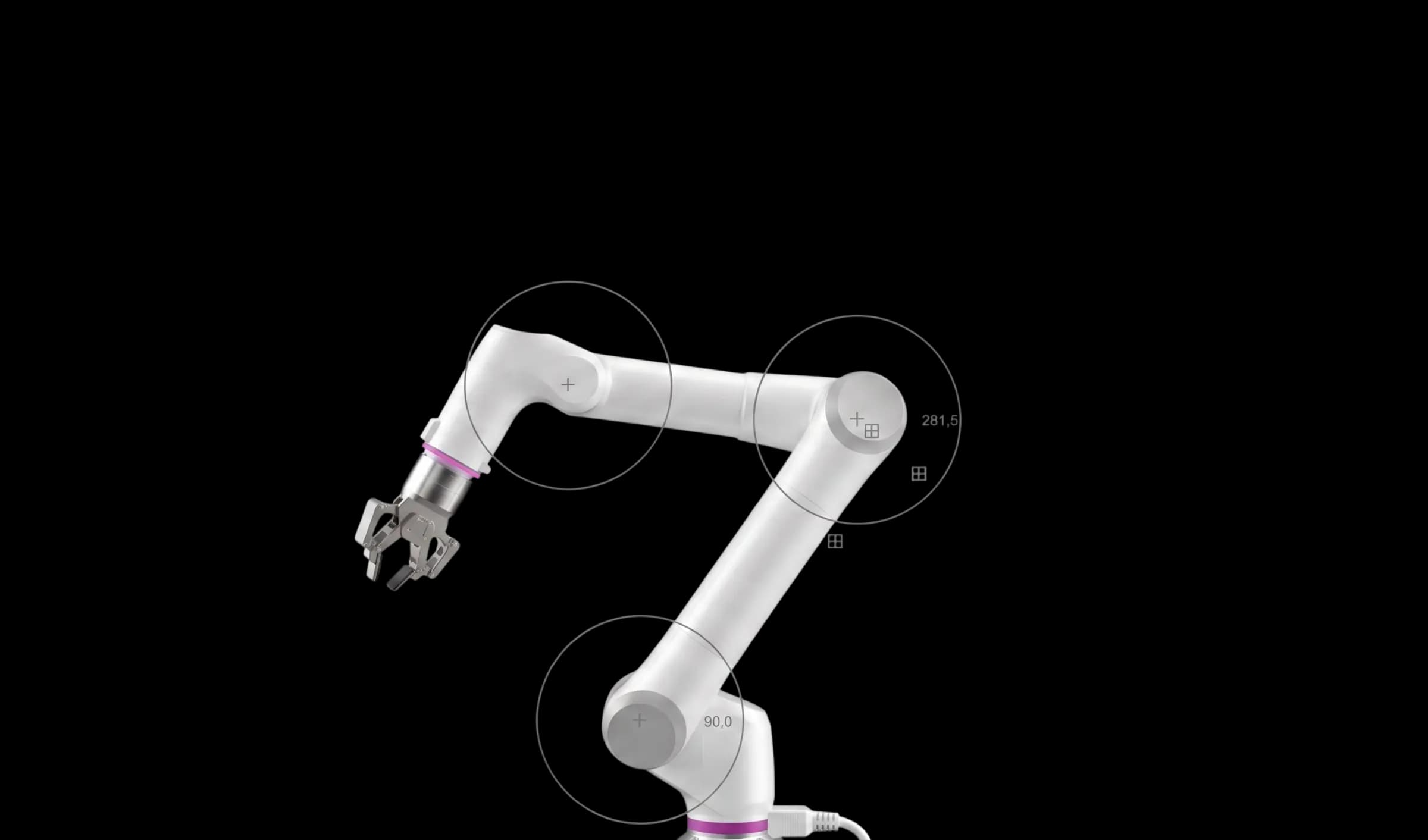
OpenDroids robotic arm — US manufacturing and assembly roadmap

Book a Demo

The Fall Enrollment Cycle Is Closer Than It Looks

Give your campus a working robotics ecosystem classroom, hallway, lab, and student support without hiring a team to run it, live in 30 days.

No commitment. We'll show you the exact ROI for your campus.

No commitment. We'll show you the exact ROI for your campus.