Wellness & Assisted Living · RaaS

Robots for Wellness and Assisted Living That Extend Your Care Team's Capacity

Deploy autonomous robots that support companionship, sanitation, and daily care routines, so your facility can serve more residents without depending entirely on a labor market running at 34%+ turnover.

34.53%

Average assisted living staff turnover in 2025; 40.59% for CNAs

$38,200

Median CNA salary capped by an industry wide labor shortage

64% → 17%

UV-C cut positive high-touch surface samples vs. standard cleaning alone

30 days

Deployment, hardware to handoff

No commitment. We'll map the ROI for your facility.

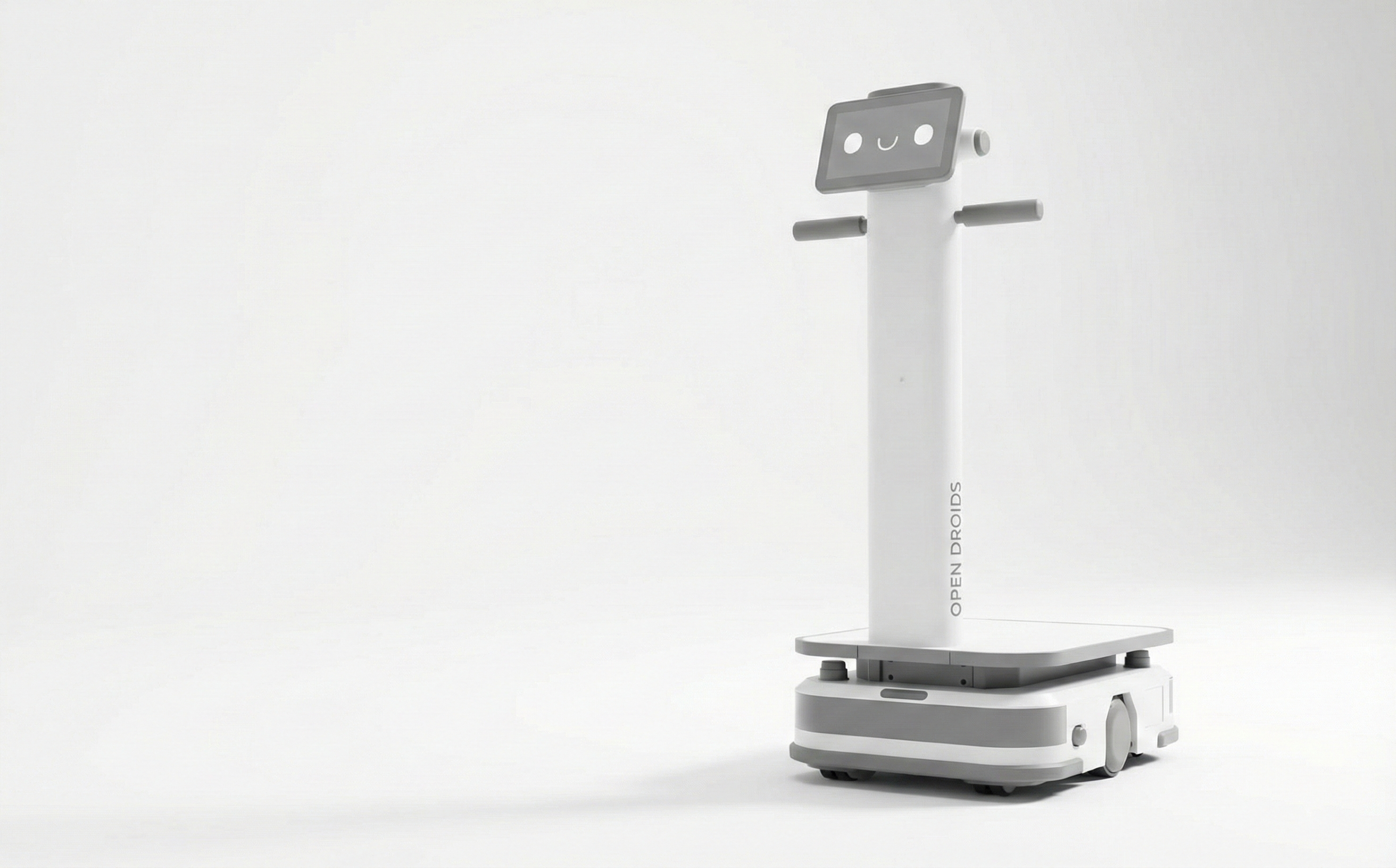
OpenDroids robot in a senior living common area with a resident and staff member present

Care Capacity

34%+

industry turnover. robots stay on shift

Consistent Support in a High-Turnover Industry

Assisted living turnover ran 34.53% industry wide in 2025, with CNA turnover at 40.59% a robot on shift doesn't resign, and doesn't need six weeks of onboarding to get up to speed.

Documented Infection Control

UV-C disinfection robots have been shown to cut positive surface samples from roughly 64% to 17.5% versus standard cleaning protocols alone in peer reviewed hospital studies.

Reduces Isolation Between Staff Visits

A meta analysis of randomized controlled trials found social robots meaningfully reduced loneliness and depression symptoms among older adults in long term care.

Predictable Cost, Not a Staffing Gamble

A Robotics-as-a-Service subscription gives facilities a fixed monthly cost instead of chasing a CNA labor market with a median wage of $38,200/year and persistent open positions.

Where Wellness Robots Deploy

Companionship, UV-C sanitation, and facility logistics, extending care capacity without depending on a high-turnover labor market.

Companionship

Senior Living Companionship & Isolation Support
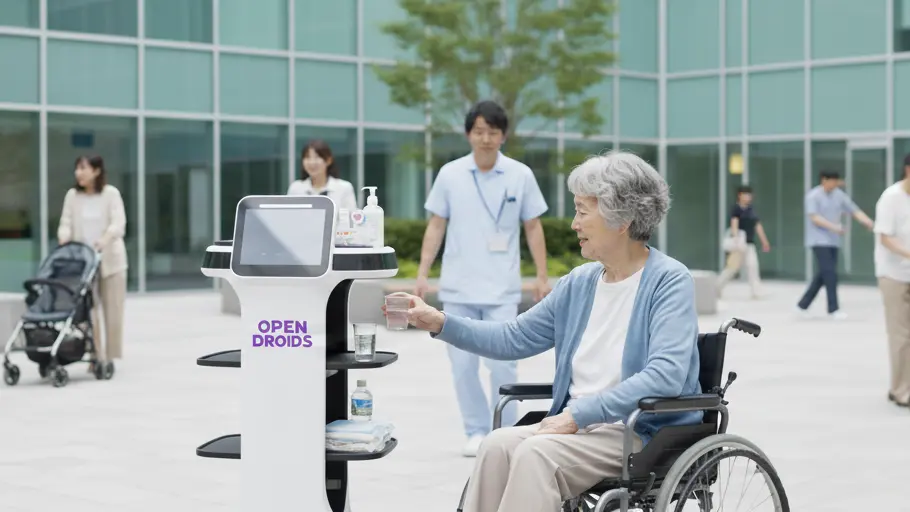
Senior resident engaged in a positive interaction with an OpenDroids companion robot in a common area, with staff nearby

Isolation between staff visits is one of the most persistent quality of life problems in senior living, and it's one direct care staff already stretched across a caregiver to resident ratio of roughly 1:10-15 in assisted living simply don't have the bandwidth to solve alone. A meta analysis of randomized controlled trials found that social robot interventions produced meaningful reductions in loneliness and depression symptoms for older adults in long term care, using consistent, predictable interaction sessions. OpenDroids companion robots provide structured social interaction between staff visits, giving activities and care teams a documented, repeatable tool rather than an ad hoc one.

  • RCT meta analysis evidence of reduced loneliness and depression symptoms from structured social robot interaction
  • Consistent availability regardless of staffing gaps or shift changes
Infection Control

Infection Control & Sanitation

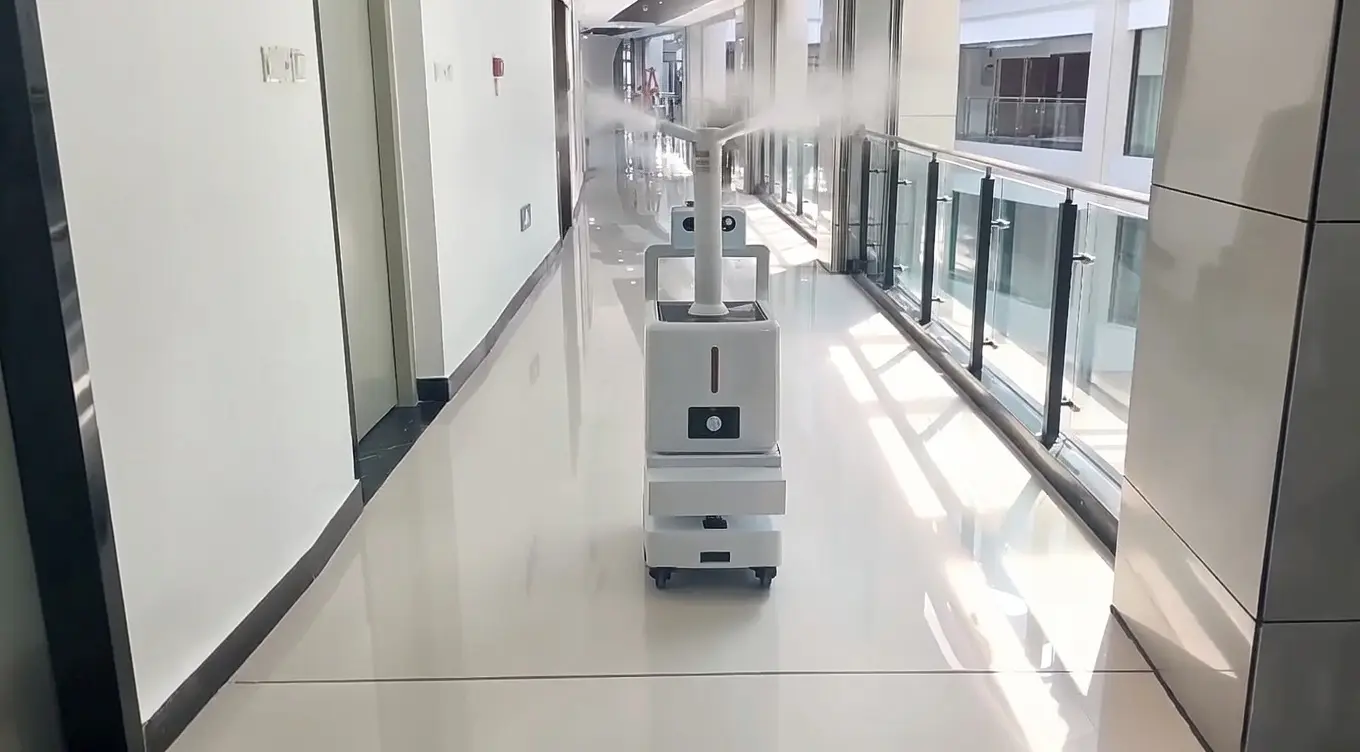
OpenDroids UV-C sanitation robot operating in an empty facility hallway overnight

Manual cleaning protocols alone routinely leave a meaningful share of high touch surfaces contaminated one hospital study found 64.3% of sampled high touch surfaces still tested positive after standard cleaning, a number that fell to 17.5% once UV-C disinfection was added. Facilities managing shared spaces, dining rooms, and resident rooms face the same exposure risk. OpenDroids sanitation robots run scheduled UV-C disinfection passes as a documented adjunct to existing cleaning protocols, not a replacement for them. Rooms must be vacated during UV-C treatment for safety.

  • Positive high-touch surface samples dropped from 64.3% to 17.5% when UV-C disinfection supplemented standard cleaning in a peer-reviewed hospital study
  • Runs as a scheduled adjunct alongside not instead of existing manual cleaning procedures

Facility Logistics

Daily Living & Facility Logistics Support

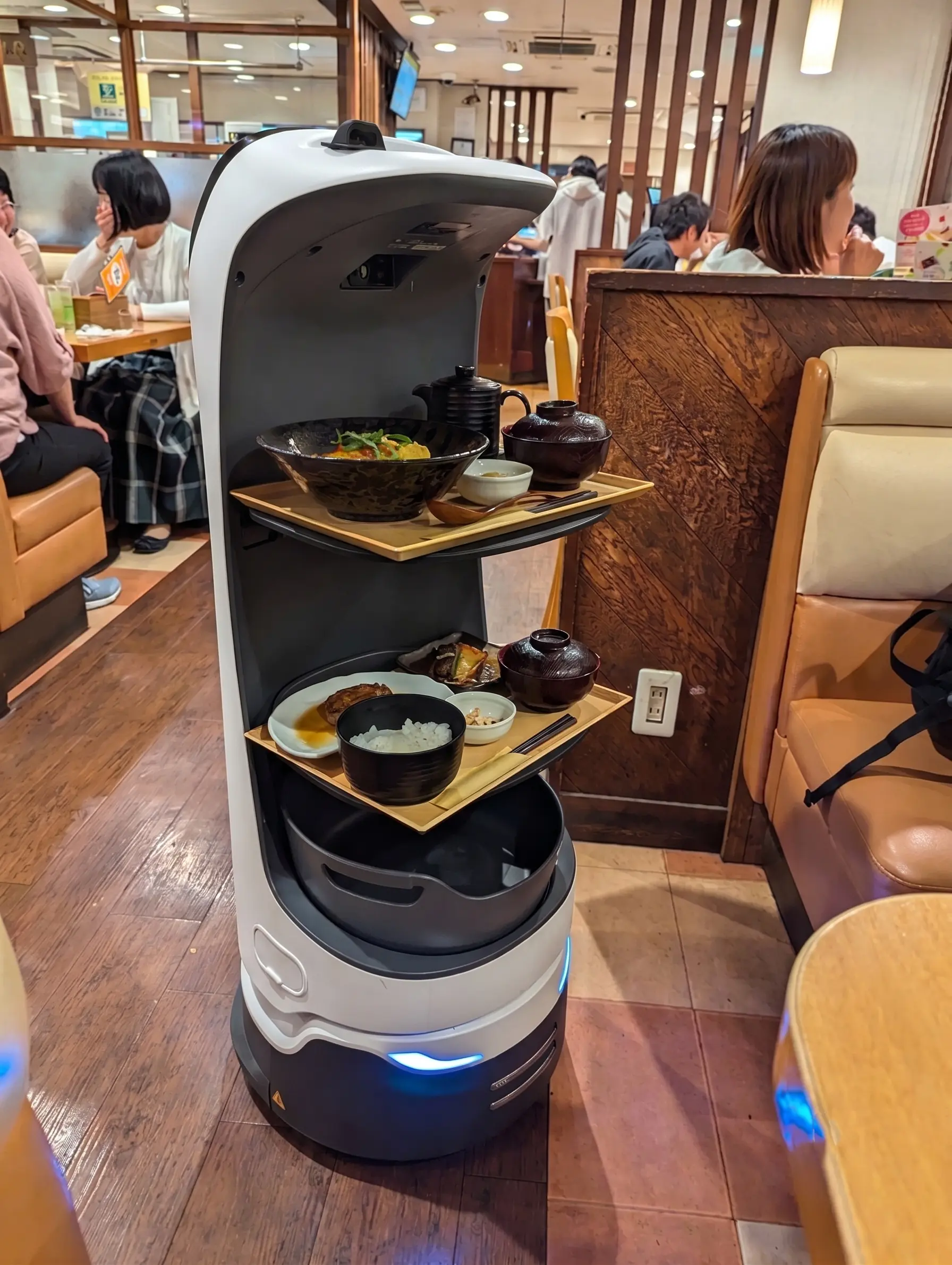
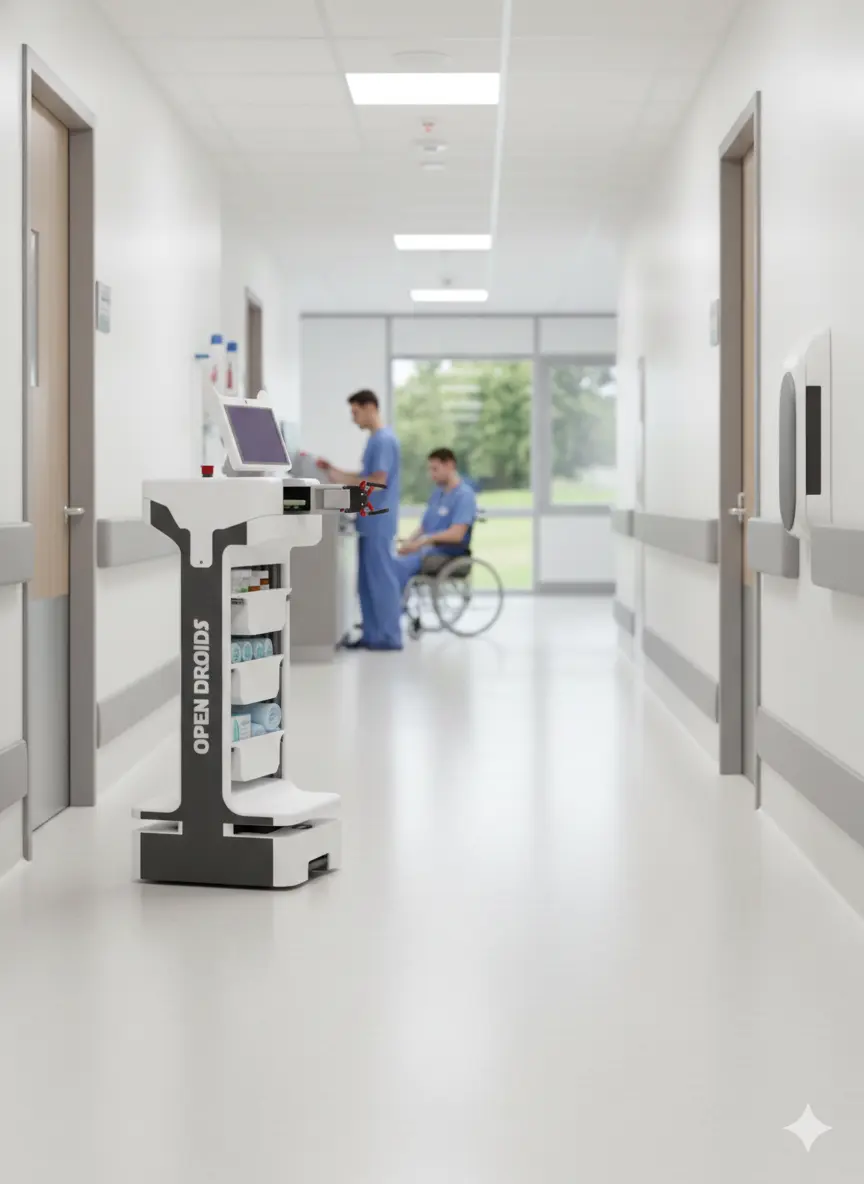
OpenDroids logistics robot moving through a senior living hallway while staff interact with a resident in the background

Direct care staff spend real hours on non-clinical tasks delivering meal trays, moving supplies between wings, running items to residents time that comes directly out of the care interaction budget in a workforce already facing turnover above 34%. OpenDroids logistics robots handle scheduled or on-demand delivery and transport routes within the facility, freeing direct care staff to spend more of their shift on actual resident interaction instead of walking hallways with a cart.

  • Frees direct care staff time currently spent on non-clinical transport and delivery tasks
  • Operates on a fixed schedule regardless of staffing gaps or callouts

ROI

The Financial Case for Care Automation

Direct care and CNA labor in senior living runs on a median salary near $38,200/year against turnover rates of 34.53% facility-wide and 40.59% for CNAs specifically a staffing model that is structurally expensive to sustain, independent of how well any individual facility manages it.

$38,200

CNA median salary against 40.59% annual turnover facilities are effectively re-recruiting a meaningful share of direct care staff every year

64.3% → 17.5%

Positive high touch surface samples when UV-C disinfection supplemented standard cleaning in a peer-reviewed hospital study

RCT evidence

Meta-analysis supports reduced loneliness and depression symptoms from structured social robot interaction

30 days

Typical deployment covering facility mapping, staff orientation, and integration with existing care and cleaning protocols

MetricBefore OpenDroidsAfter OpenDroidsDifference
Staffing dependency34.53% average annual turnover, 40.59% for CNAsFixed robotic subscription, not subject to turnoverRemoves turnover risk from these tasks
Infection controlStandard cleaning alone: 64.3% of high-touch surfaces test positiveUV-C robot adjunct: 17.5% test positive46.8 percentage point reduction
Resident isolation supportDependent on staff availability between visitsConsistent, scheduled companion interactionAlways-available support
Non-clinical staff timeDirect care staff run manual delivery/transport tasksRobot handles scheduled logistics routesStaff hours recovered

Most facilities see measurable operational and quality-of-life impact within a single quarter of deployment. Calculate your ROI →

Turnover and wage figures are industry-sourced estimates. The UV-C surface contamination reduction (64.3% → 17.5%) comes from a peer-reviewed hospital study, not a senior living-specific trial, and refers to surface contamination not infection incidence. Companionship outcomes reference RCT meta-analysis findings on loneliness and depression symptoms. Estimates are not guarantees.

Trust & Deployment

Built to Supplement Your Care Team

Robots stabilize companionship, sanitation, and logistics so direct care staff can spend more of every shift on residents not carts, callouts, or empty rooms.

  • 30-day deployment including facility mapping, staff orientation, and protocol integration
  • UV-C sanitation as a documented adjunct to not a replacement for existing cleaning
  • Companion robots for structured interaction between staff visits
  • Logistics robots free direct care staff for hands-on resident care
  • RaaS subscription includes hardware, software, and 24/7 support
OpenDroids robot supporting facility operations in a care environment

Also explore robotics in these industries

Assisted living sits alongside healthcare and hospitality. See how OpenDroids deploys across adjacent operations.

For Operators & Entrepreneurs

Start a Robotics Business

Own a territory in robotics-as-a-service. OpenDroids partners earn recurring revenue deploying companion, sanitation, and logistics robots. no hardware purchase, full support included.

View the business playbook →

FAQ

Questions Facility Leaders Ask

Can a robot really help with loneliness in senior living, or is that just marketing?

It's backed by real research. A meta analysis of randomized controlled trials found social robot interventions produced meaningful reductions in loneliness and depression symptoms among older adults in long-term care. Results vary by individual and depend on consistent use, but the evidence base is genuine clinical research, not just vendor claims.

Do UV-C disinfection robots actually reduce infection risk?

Peer reviewed hospital studies have found UV-C disinfection meaningfully reduces surface contamination when used as a scheduled adjunct to standard cleaning one study found positive high-touch surface samples dropped from 64.3% to 17.5%. UV-C robots supplement, rather than replace, existing manual cleaning protocols, and rooms must be vacated during treatment for safety.

Will robots replace caregivers and direct care staff?

No. Robots take over companionship support between visits, sanitation passes, and non-clinical logistics like delivery and transport freeing direct care staff to spend more of their time on hands-on resident care instead of walking hallways or running errands. Given industry wide turnover above 34%, most facilities are using robots to stabilize care consistency, not eliminate staffing.

How much does it cost to deploy wellness or assisted living robots?

OpenDroids runs on a Robotics-as-a-Service subscription rather than a capital equipment purchase, so pricing depends on which use cases (companionship, sanitation, or logistics) and how many units your facility needs. That gives facilities a fixed, predictable cost instead of chasing a CNA labor market with a median salary near $38,200/year and persistent vacancies.

How long does it take to deploy a robot fleet in a senior living facility?

OpenDroids robots are typically live within 30 days of signing, covering facility mapping, staff orientation, and integration with existing care and cleaning protocols. Your team doesn't need robotics expertise to operate the fleet day to day.

FCC Compliance · July 2026

Wellness Robots: FCC-Compliant and US-Assembled

Following the FCC's July 2026 ruling (DA-26-786), all new foreign-produced advanced robotic devices are prohibited from receiving US market authorization. OpenDroids wellness robots for companionship support, UV-C sanitation, and facility logistics for assisted living are final-assembled in the United States, qualifying as domestic end products under 48 CFR §25.101(a) exempt from this restriction and available for immediate deployment with no compliance risk.

If you are currently evaluating or using foreign-produced companion and sanitation robots or non-US senior living and wellness robots in your wellness operation, contact us to discuss a compliant transition to OpenDroids typically live within 30 days.

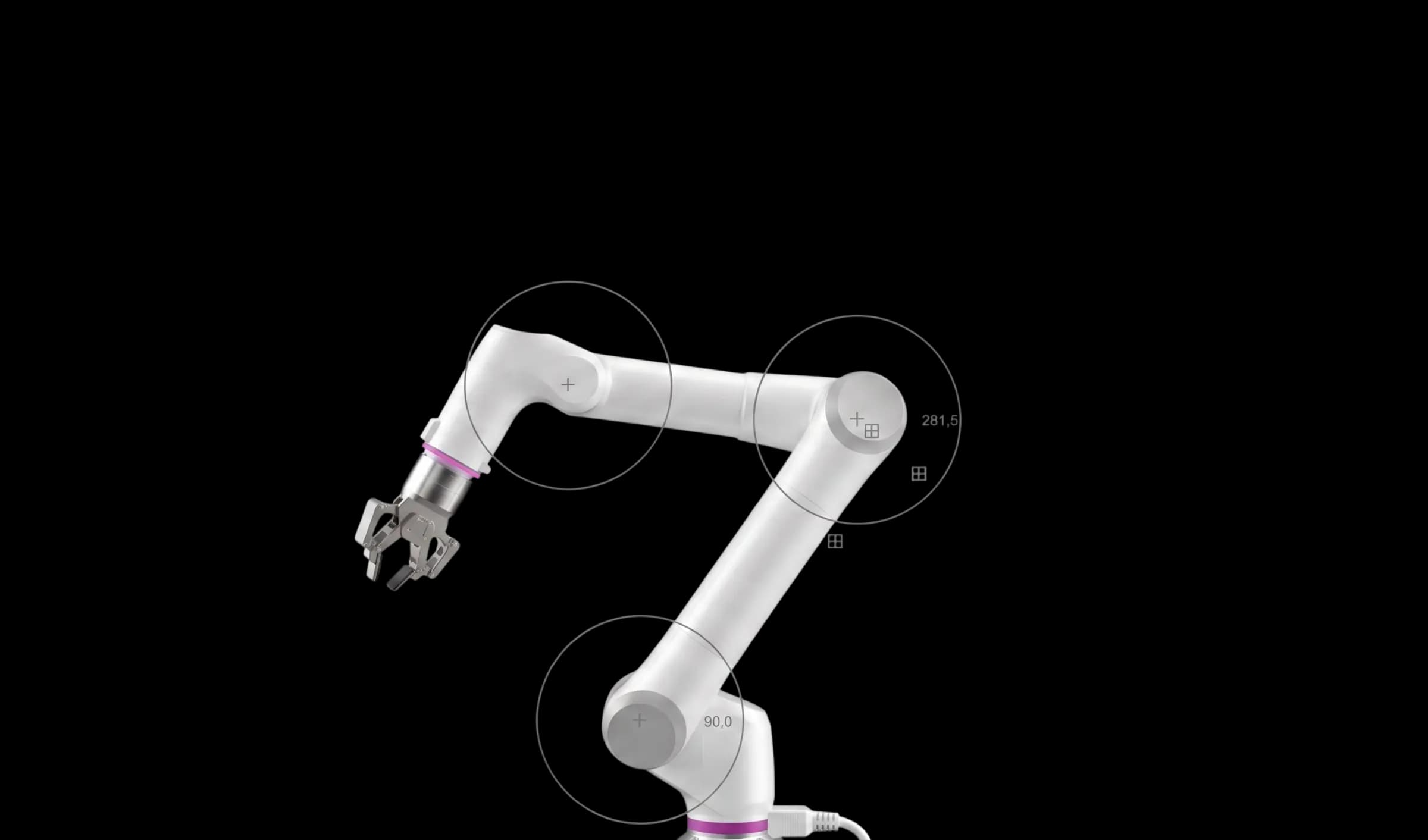
OpenDroids robotic arm — US manufacturing and assembly roadmap

Book a Demo

Staffing Gaps Don't Have to Mean Care Gaps

Extend your care team's capacity with robots for companionship, sanitation, and logistics support deployed in 30 days, fully managed by OpenDroids.

No commitment. We'll show you the exact ROI for your facility.

No commitment. We'll show you the exact ROI for your facility.