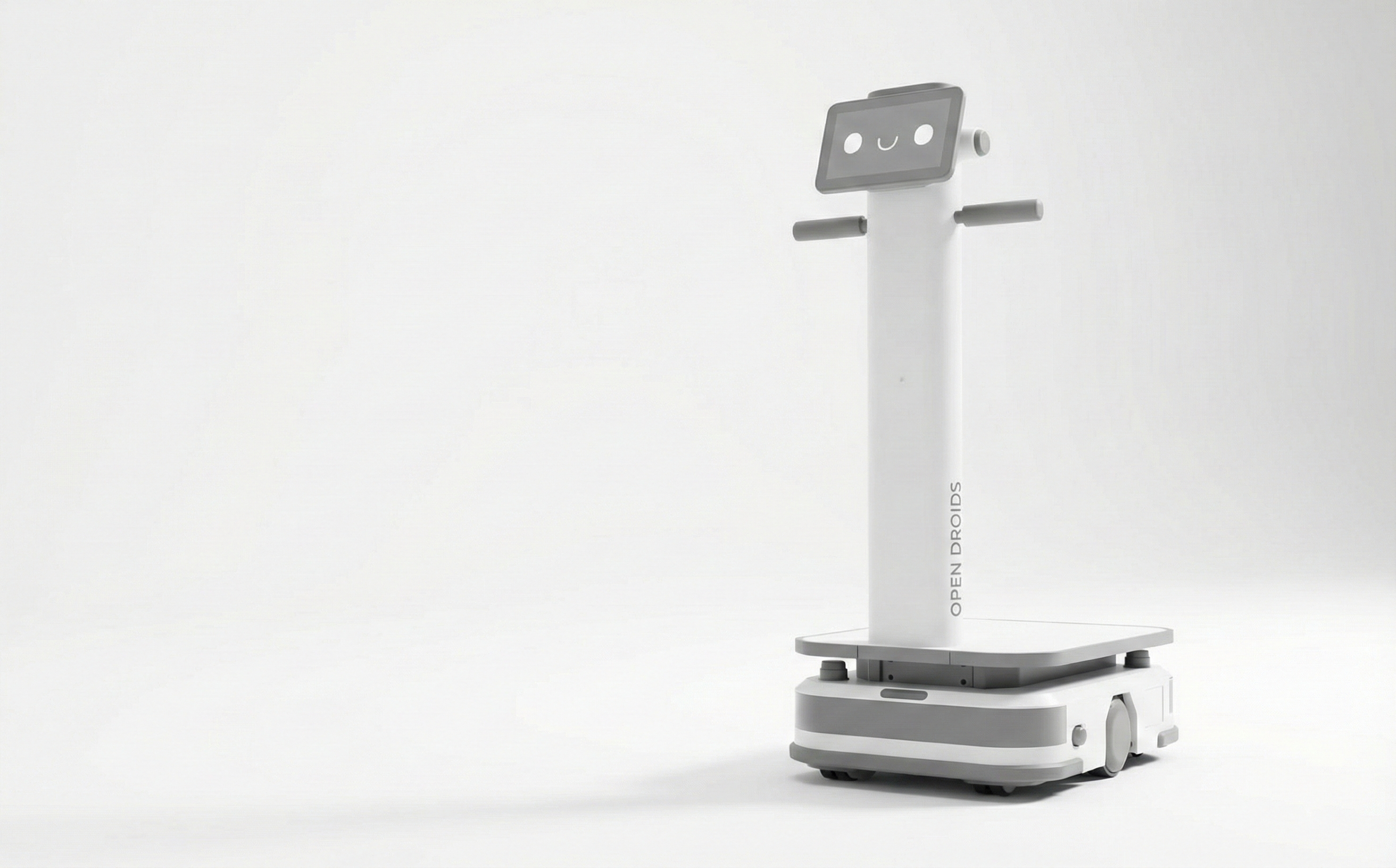
Restaurant Automation · RaaS

Restaurant Automation Robots That Actually Pay for Themselves

In 30 days, OpenDroids deploy food running robots, bussing robots, host stand robots and floor cleaning robots into your dining room, with no hardware to purchase, no IT project, and fewer empty shifts, and faster tables.

75–80%

Average Annual Restaurant Staff Turnover

$5,864

Avg Cost to Replace One Employee

30–50%

More Tables Served Per Shift With a Service Robot

30 Days

Deployment Timeline

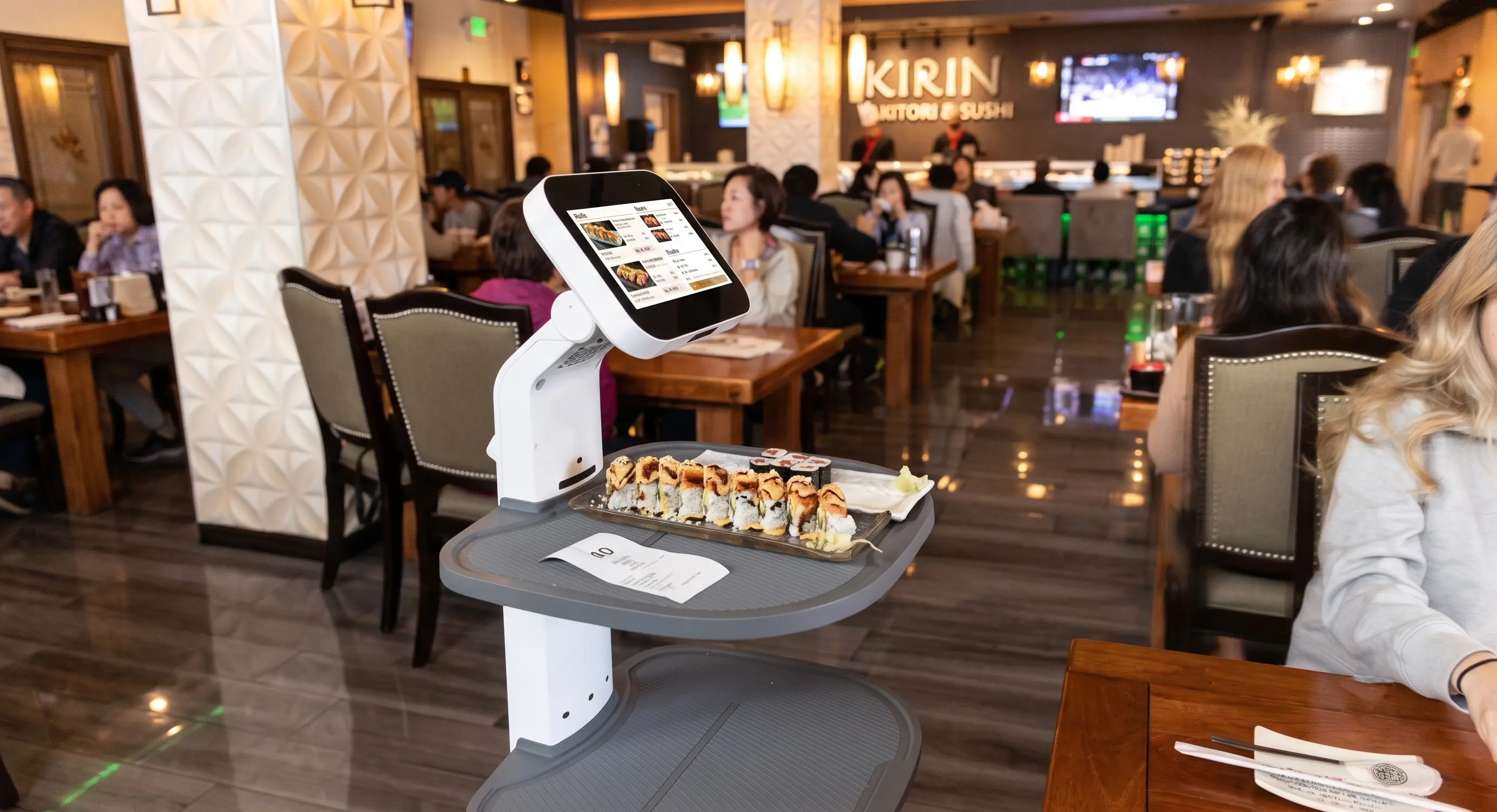
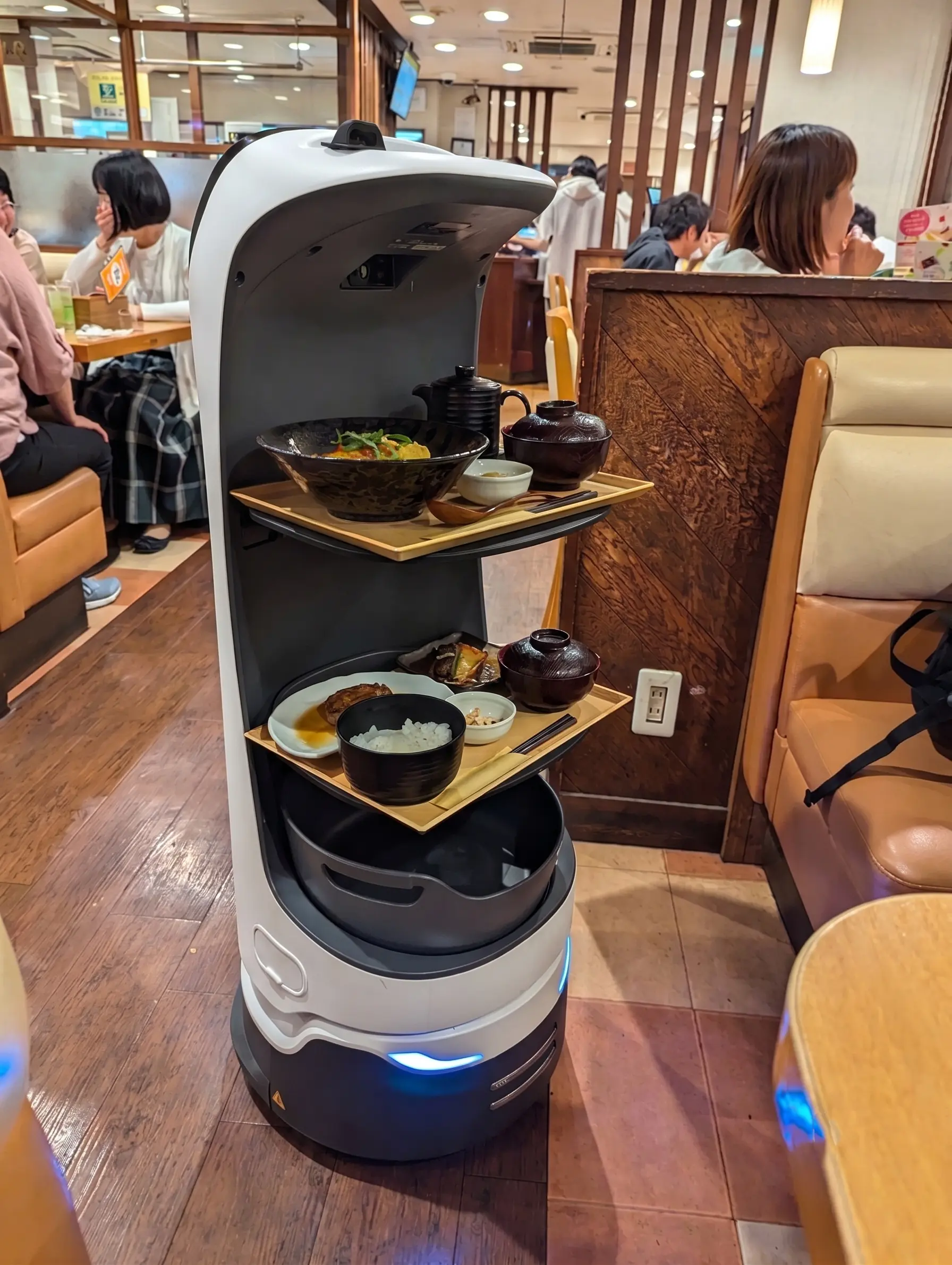
OpenDroids restaurant robot operating in a busy dining room

Industry Payback

18–24 mo

typical service-robot payback at current U.S. labor rates

Never Calls Out

A robot does not no show on a Friday night. Industry turnover is 75 – 80 percent a year and it operates on every shift on the schedule, including holidays.

More Covers, Same Floor

Service robots are seen to increase the number of tables served by 30-50% by operators, as they no longer need to be physically walking to the kitchen and begin staying at the table.

Fixed Cost, Not Rising Wage

Overall, the labor price for full-service reps is currently at 36.5% of sales, which is the median across all sales industry segments. The monthly cost of a leased robot is not affected by minimum-wage laws or by overtime.

Happier Shifts, Fewer Exits

The average cost for restaurants to replace an employee is $5,864. One of the few levers to lower the likelihood of burnout-related departures is taking the walking and hauling off your team's plate.

Four Floor Flows. One Autonomous Fleet.

Running food, greeting guests at the host stands, BOH clean-up, and overnight coverage with a focus on shifts that caused labor gaps and negatively affected service and margins first.

Dining Room

Food Running & Bussing
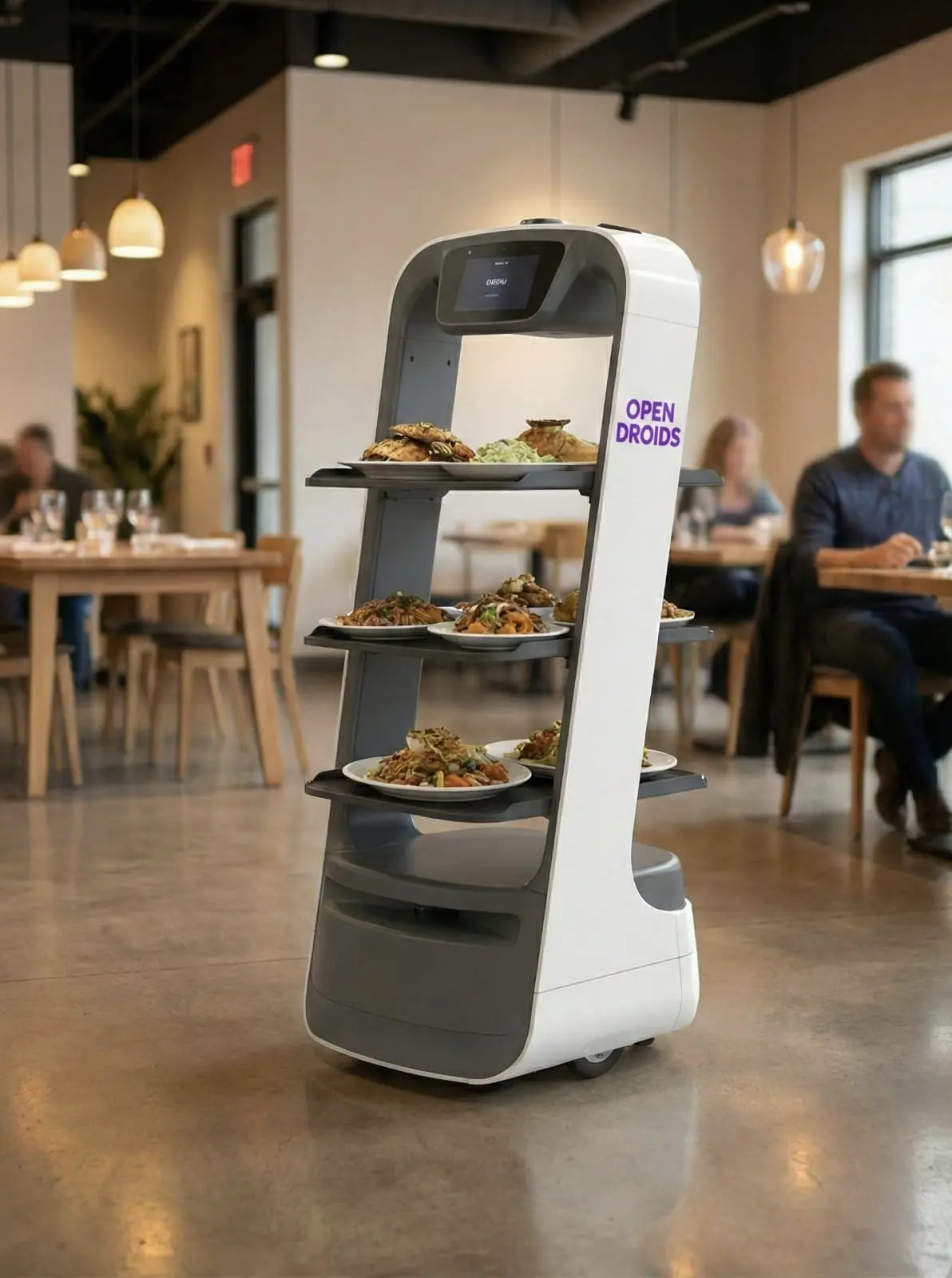
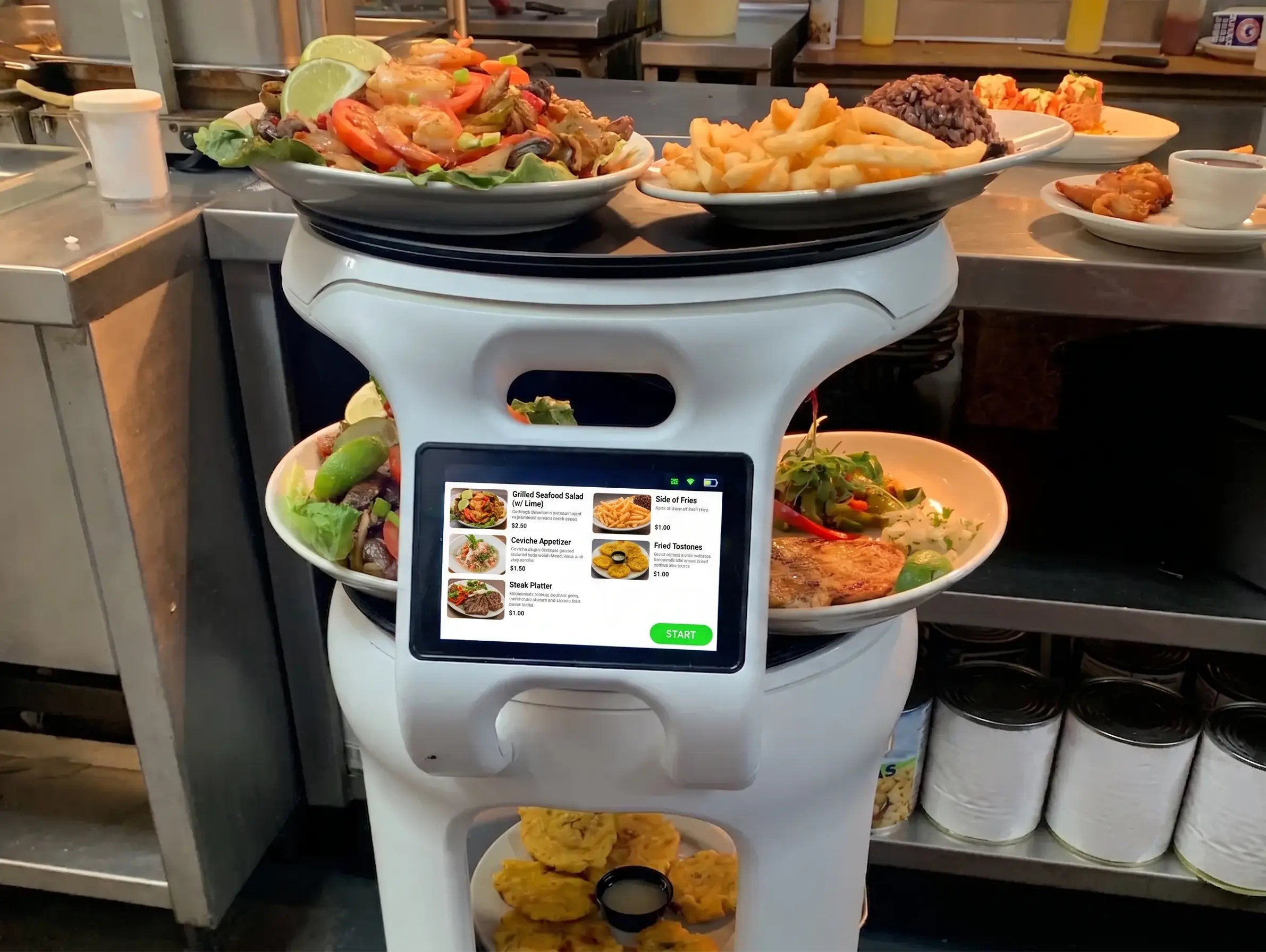
OpenDroids delivery robot carrying trays through a busy restaurant dining room

The kitchen to table and back and plate again walk of a server is the bulk of what he does, rather than the conversation with guests that is responsible for the tips. The average wage for food and beverage servers is a median $14.92 to $16.23 per hour before tips, and each minute the walk is a minute that can be spent upselling or turning the table. With OpenDroids serving and bussing robots operating on autopilot to take the kitchen-to-table route, multiple entrees can be carried on each trip and FOH staff remain on the floor.

  • An increase of 30–50% in tables served per shift based on operator reported industry data.
  • In industry applications, table turns increased from 1.7 to 2.6 per hour and the distance the server walked from table to table decreased from 3.5 to 1.8 miles per shift.
  • Industry published results show that the food-to-table time is reduced by ~18% during peak hours when using the robot in a comparable service setting.
Host Stand

Greeting & Wait List

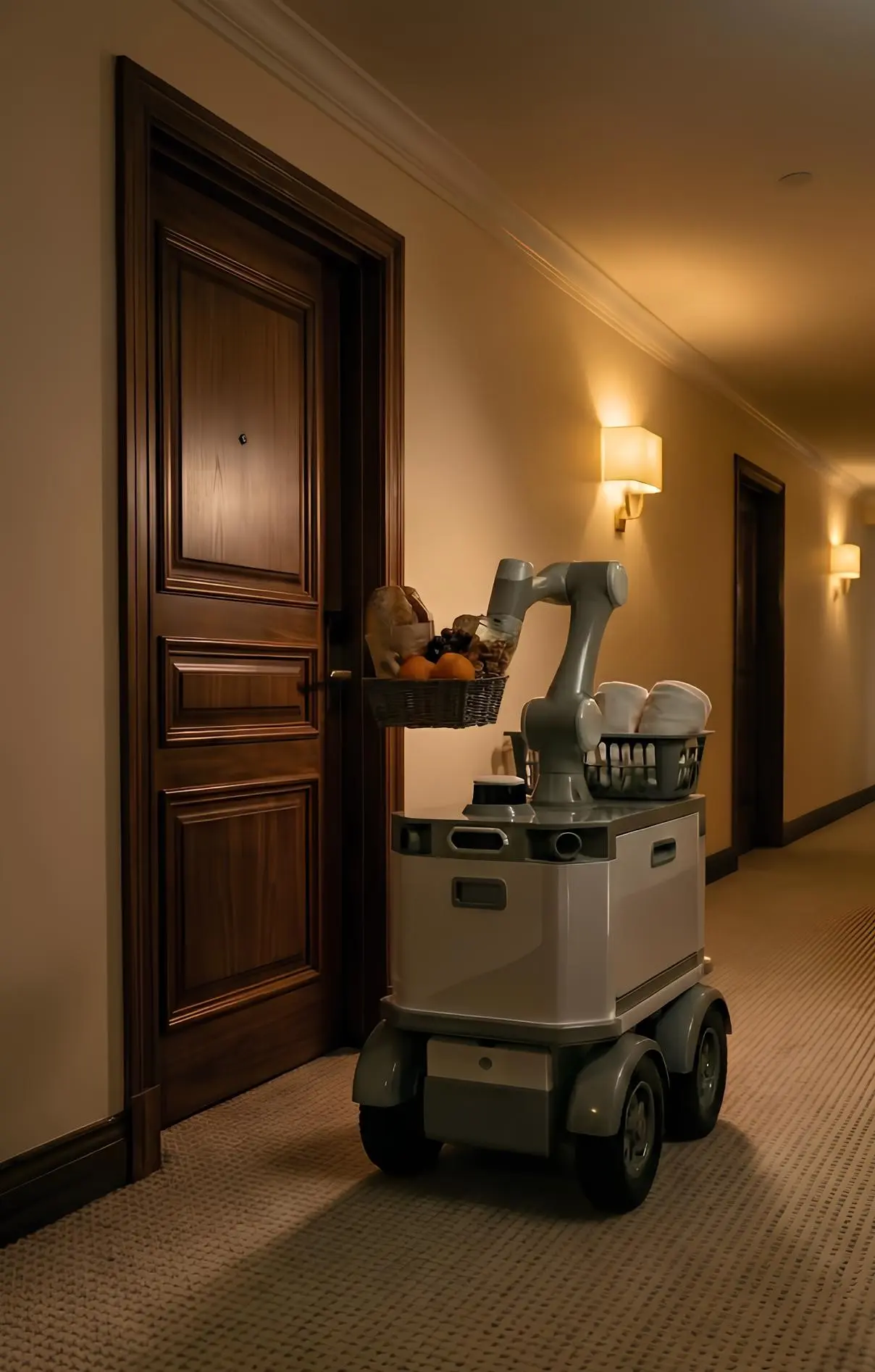
OpenDroids robot at a restaurant host stand greeting arriving guests

Walk-ins and reservations and a wait list phones ring, peak hour hosts juggle all of this. Many guests will notice this as one of the first service failures they see, and it is one that is easy to notice. A host-stand robot from OpenDroids welcomes guests, verifies party sizes and reservations and leads them to their table while allowing the host to handle the floor and telephone.

  • Eliminates another FTE in rush windows and does not require an additional $14.92–$16.23/hr FTE
  • A consistent greeting experience irrespective of staffing level
  • Automated routine escort and wait list load with a person available for floor judgment calls

Back of House

Dish Return & Floor Cleaning

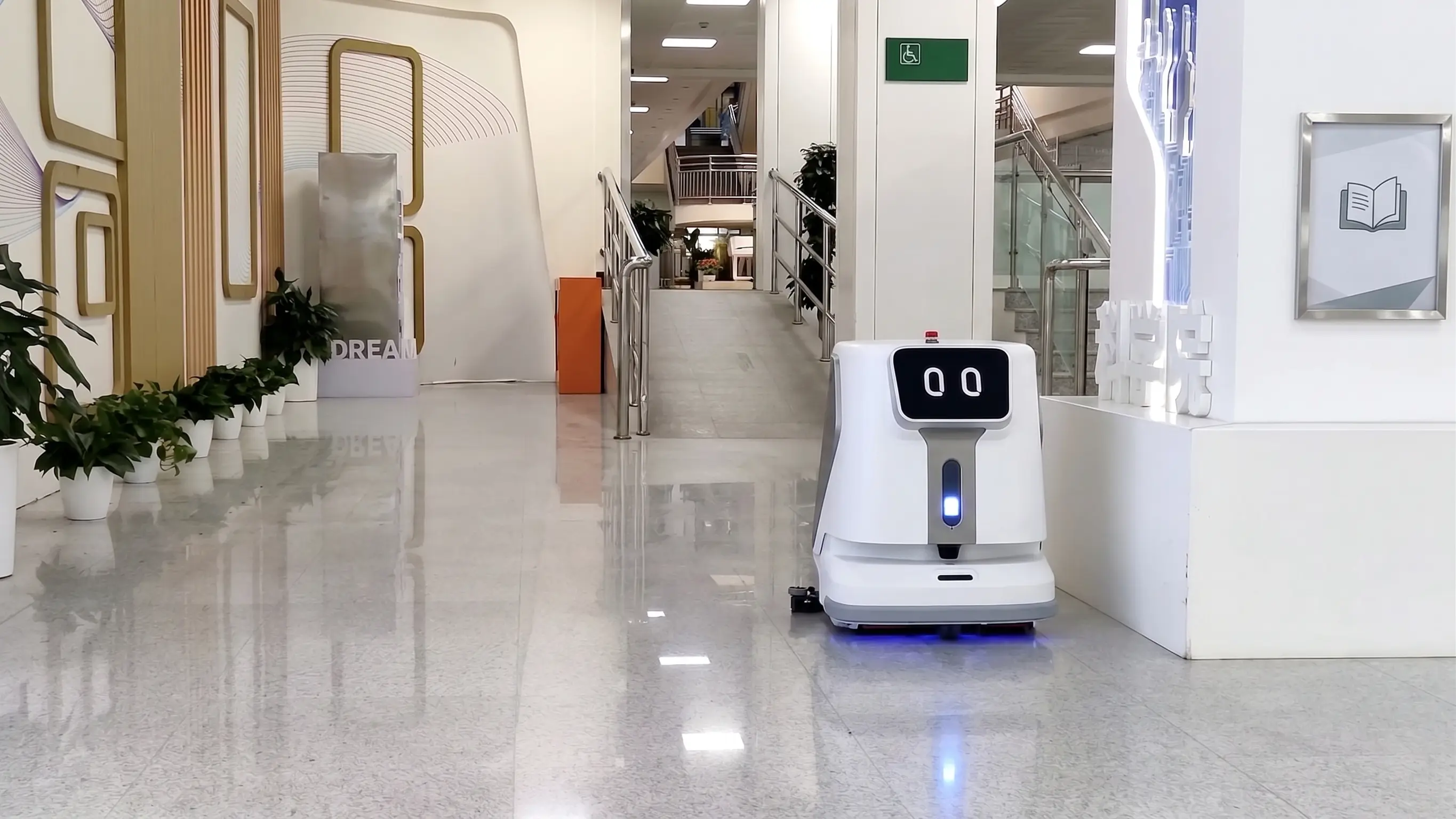
OpenDroids cleaning robot working a dining room aisle after close

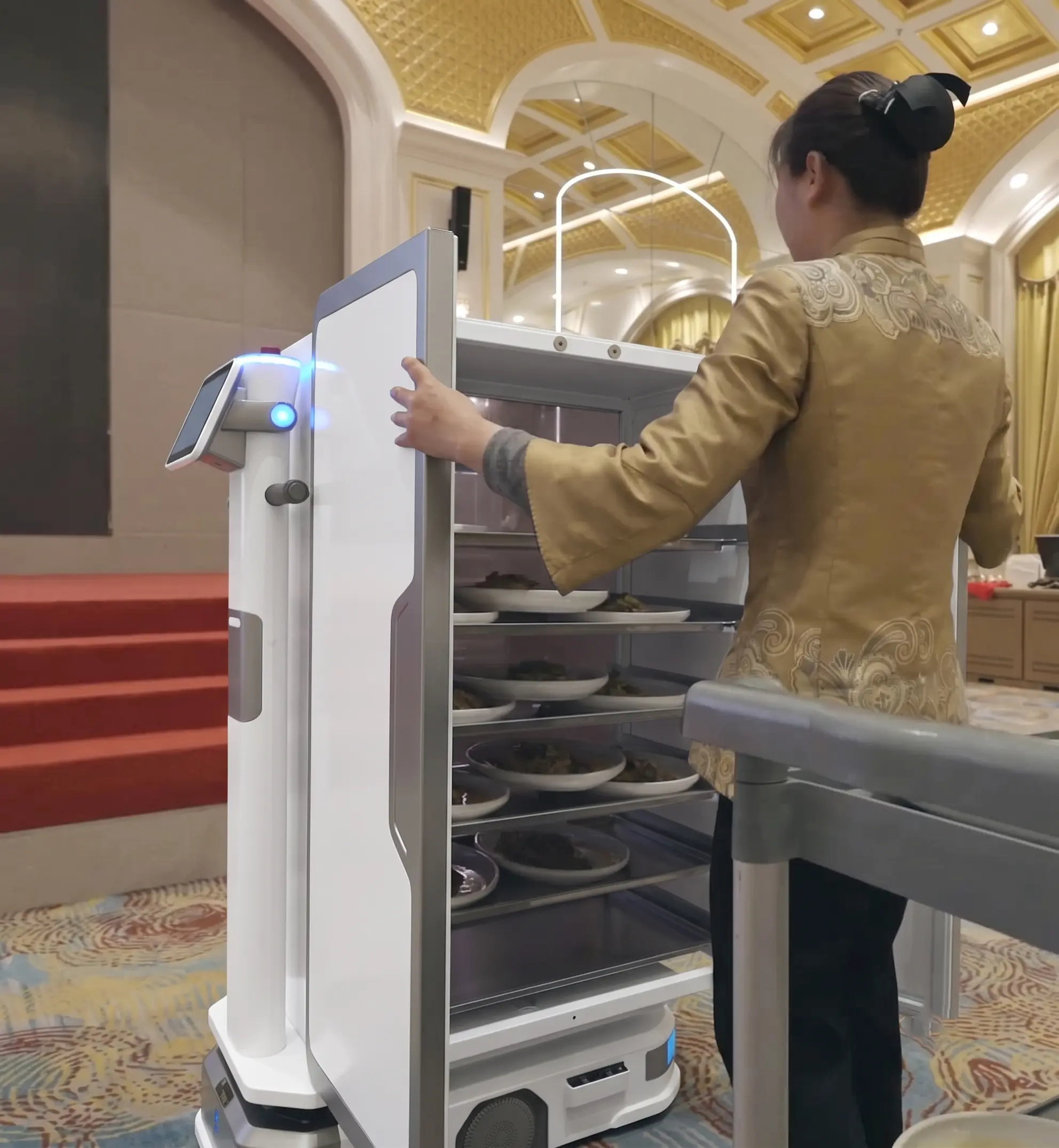
Bussing and dishwashing are some of the most turnover positions in a restaurant that are least sought after, and many restaurant operators report they can't find people to fill BOH positions. The scheduled sweeping and mopping are performed by OpenDroids cleaning and floor-care robots and the dish return is automatically bussed by the delivery robot.

  • Eliminates one of the most difficult roles to fill
  • Regular and routine cleaning irrespective of shift change.
  • Releases all staff from kitchen duties and service to guests for time to rest or recover

Overnight

Overnight & QSR Drive-Thru Coverage

OpenDroids delivery robot running plates in a late-night diner interior

24-hour concepts and late-night QSR operators routinely lose overnight shifts to no-shows in a market where restaurant quit rates run far above the national average. OpenDroids serving robots cover overnight food-running and bussing load so a skeleton crew can still run service — the same fleet supports late-night coverage of the dining room, lot, and drive-thru queue without adding headcount.

  • Industry operators have used service robots specifically to backfill overnight staffing gaps
  • Keeps late-night food running and bussing moving with fewer on-shift FTE
  • Supports after-hours dining-room and lot coverage without a full overnight crew

Curbside

Curbside & Parking Lot Delivery

OpenDroids delivery robot carrying a to-go order through a restaurant parking lot

Curbside and to-go pickup have become a core revenue channel, but walking orders out to cars pulls staff off the floor and adds wait time exactly when digital order volume is highest. An OpenDroids outdoor delivery robot carries the order from pickup counter to the customer's parking space or curb, texts the customer on arrival, and returns to the restaurant on its own the same pattern now used by major delivery platforms for the last 50 feet of an order.

  • Third-party curbside automation trials have cut pickup wait time roughly in half in beta testing
  • Frees floor staff from walking every to-go order to the lot, especially during dinner rush when digital-order volume peaks
  • Keeps FOH team on the floor for dine-in guests instead of running bags to the parking lot

ROI

The Financial Case

Full service restaurant labor now runs a median 36.5% of revenue industry wide and every point above that is margin you don't get back.

$5,864

Average cost to replace one restaurant employee (Cornell CHR)

18–24 mo

Typical service-robot payback at current U.S. labor rates

36.5%

Median full-service labor share of sales industry-wide

75–80%

Average annual restaurant staff turnover (NRA / Toast)

Most operators see service robots pay for themselves inside two years at current labor rates run your own numbers with our free ROI calculator, built for restaurant labor configurations. Calculate your ROI →

Figures shown are based on published industry benchmarks (NRA, Toast, Cornell CHR, BLS, and operator analyses). Actual outcomes vary by location, wage rates, shift structure, and deployment scope. Estimates are not guarantees.

Trust & Standards

Built for Busy Dining Rooms

OpenDroids restaurant deployments are designed for guest facing floors where aisle traffic, service tempo, and uptime all matter.

  • 30-day deployment from signed agreement to live dining-room operation
  • RaaS structure with no upfront robot hardware purchase
  • Shared aisle navigation designed for busy guest facing floors
  • 24/7 remote support with maintenance and software updates included
OpenDroids restaurant robot in a hospitality dining environment

Also explore robotics in these industries

Restaurant automation sits in a broader service robotics stack. See how OpenDroids deploys across adjacent facility types.

For Operators & Entrepreneurs

Start Your Restaurant Robot Business

Launch a recurring revenue restaurant robotics business with OpenDroids playbooks, deployment support, and territory partner programs.

View the business playbook →

FAQ

Questions Restaurant Operators Ask

How much does a restaurant robot cost?

Purchase prices for delivery and serving robots typically run $15,000–$25,000, or roughly $1,000–$2,500/month on a lease or Robots-as-a-Service model. OpenDroids runs on RaaS, so there's no upfront hardware purchase exact pricing is confirmed during your site assessment.

Do robot servers replace waitstaff?

No. Current serving robots transport food and bus dishes they don't take orders, handle payment, or read a table's mood. Staff still load and unload the robot, it removes the walking, not the hospitality.

How long does it take to install a restaurant robot?

Mapping a dining room typically takes about one to two days with an on site technician creating the floor plan and table destinations. OpenDroids targets a 30-day full deployment window from signed agreement to live operation.

Will a robot server work in a small or tightly packed dining room?

Most platforms need roughly 24–30 inches of aisle width; newer compact models can handle passages down to about 18 inches. OpenDroids does a site survey before deployment to flag any pinch points.

What's the payback period for a restaurant robot?

Industry wide, service robots typically pay back in 18-24 months at current U.S. labor rates. Your exact timeline depends on wage rates, shift coverage, and how many roles the fleet absorbs we model it during site assessment.

Will a robot server take restaurant jobs?

Current serving robots carry food and bus dishes; they don't take orders, process payment, or read a table's mood. Most operators redeploy staff from walking trays to guest-facing service rather than cutting headcount, particularly given the industry's 75-80% turnover already creates chronic understaffing.

What's the difference between OpenDroids and BellaBot or KettyBot?

BellaBot (Pudu) and DINERBOT (Keenon) are Chinese-manufactured; new models are restricted from FCC authorization after the July 2026 ruling. OpenDroids restaurant robots are U.S.-assembled, qualifying as domestic end products exempt from that restriction, with equivalent food-running and bussing functionality.

Can a restaurant robot work during a dinner rush without getting in the way?

Yes. Service robots navigate mapped floor plans with obstacle avoidance suited to moving guests and staff. Most platforms need 24-30 inches of aisle clearance, with compact models handling passages down to about 18 inches; OpenDroids surveys your floor plan for pinch points before deployment.

FCC Compliance · July 2026

Restaurant Robots: FCC-Compliant and US-Assembled

Following the FCC's July 2026 ruling (DA-26-786), all new foreign-produced advanced robotic devices are prohibited from receiving US market authorization. OpenDroids restaurant robots for food delivery and kitchen automation are final-assembled in the United States, qualifying as domestic end products under 48 CFR §25.101(a) exempt from this restriction and available for immediate deployment with no compliance risk.

If you are currently evaluating or using Pudu Robotics (BellaBot, KettyBot) or Keenon Robotics (DINERBOT) in your restaurant operation, contact us to discuss a compliant transition to OpenDroids typically live within 30 days.

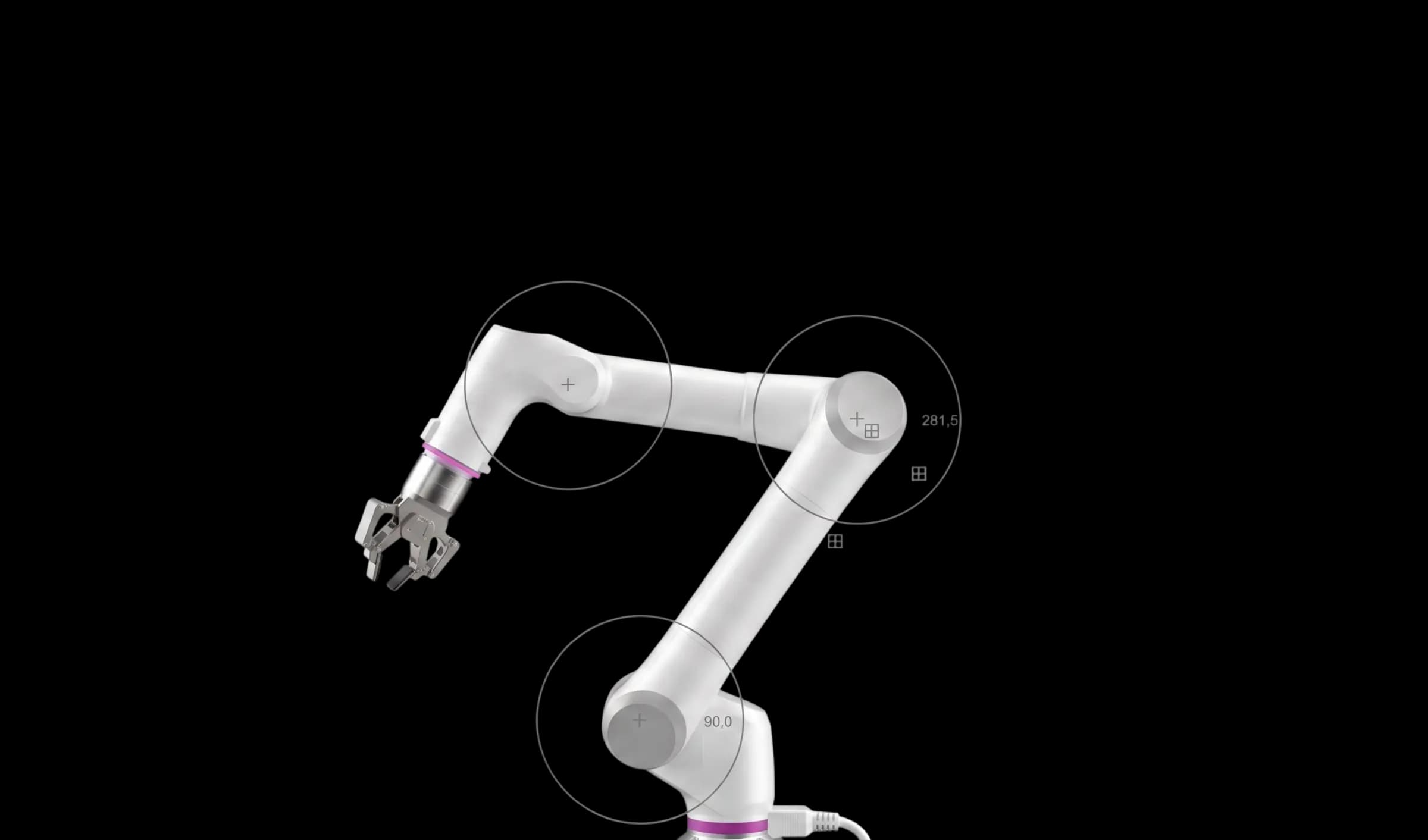
OpenDroids robotic arm — US manufacturing and assembly roadmap

Book a Demo

Your Floor Is Already Short Staffed. Don't Wait for a Slower Season.

Every open shift costs you service, and every departure costs roughly $5,864 to replace. OpenDroids robots run the floor, the kitchen pass, and the overnight shift deployed in 30 days, no hardware to buy.

No commitment. We'll show you the exact ROI for your restaurant.

No commitment. We'll show you the exact ROI for your restaurant.